Bringing a new dog into your home is a joyous occasion, but figuring out how to potty train a puppy is almost certainly your most pressing household priority. In the first few weeks, young puppies lack conscious bladder and bowel control, which means indoor accidents will happen without a proactive management strategy. By establishing an organized daily schedule, maintaining patient vigilance, and rewarding desired bathroom behaviors immediately, you can teach your puppy clean living habits while protecting your carpets and floors.
Housebreaking is fundamentally an exercise in biological timing and habit formation rather than disciplinary training. Young puppies possess an innate instinct to keep their immediate sleeping quarters clean, but they have no baseline understanding that living room rugs or hardwood floors are part of that clean human living space. Understanding canine digestive physiology allows you to anticipate when your companion needs an outdoor trip, setting up consistent opportunities for success.
A reliable puppy training schedule serves as your greatest asset during early housebreaking. When you align bathroom breaks with feeding intervals, wake-up times, and play periods, elimination becomes completely predictable. Rather than reacting to accidents after they happen indoors, you proactively escort your puppy to their designated outdoor spot before urgency strikes.
According to behavioral guidance published by the American Kennel Club, housetraining relies on consistency, supervision, a predictable schedule, and positive reinforcement. Rewarding outdoor elimination immediately after the puppy finishes helps them connect outdoor grass with bathroom relief.
Essential Tips on Potty Training Puppy for Daily Success
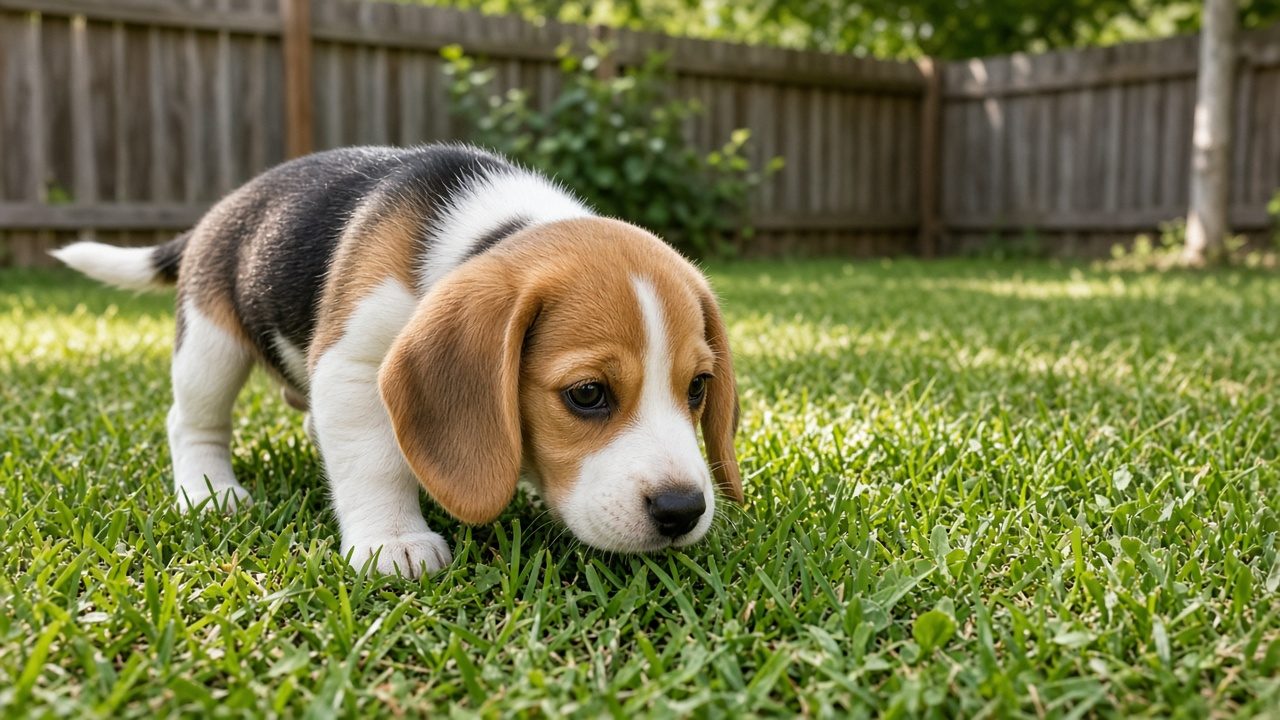
Active Supervision and Household Confinement
Implementing practical tips on potty training puppy routines starts with strict supervision. During the first month at home, an un-housetrained puppy should never have unsupervised free run of your house. If you are not actively looking at your puppy, they should be comfortably settled in an exercise pen or crate, or attached to your waist with a light training leash.
Designating a Dedicated Elimination Spot
Designate one specific elimination spot in your yard. Dogs naturally develop surface and scent preferences for elimination. When you take your puppy outside on a six-foot leash directly to the same patch of grass, residual scent cues immediately remind them of their purpose. Stand quietly in that spot without walking around, playing games, or throwing toys until your puppy completes their business.
Timing your verbal praise and rewards is critical. Do not wait until you return inside the kitchen to offer a treat. Keep high-value pea-sized treats in your pocket, and the moment your puppy finishes urinating or defecating, deliver gentle verbal praise and a tasty reward right there on the grass. Immediate reinforcement cements the connection in the puppy’s memory.
Clinical housetraining resources from the Ohio State University College of Veterinary Medicine emphasize that punishment for indoor accidents is counterproductive, noting that punished dogs may refuse to eliminate in front of people. In addition, guidelines from UC Davis Veterinary Medicine caution that rubbing a puppy’s nose in waste should never be done, noting that punishment is ineffective and may lead to more serious behavior problems. If an accident occurs, calmly clean the soiled surface with an enzymatic cleaner and tighten your supervision schedule.
Potty Training a Puppy Using a Crate for Faster Results
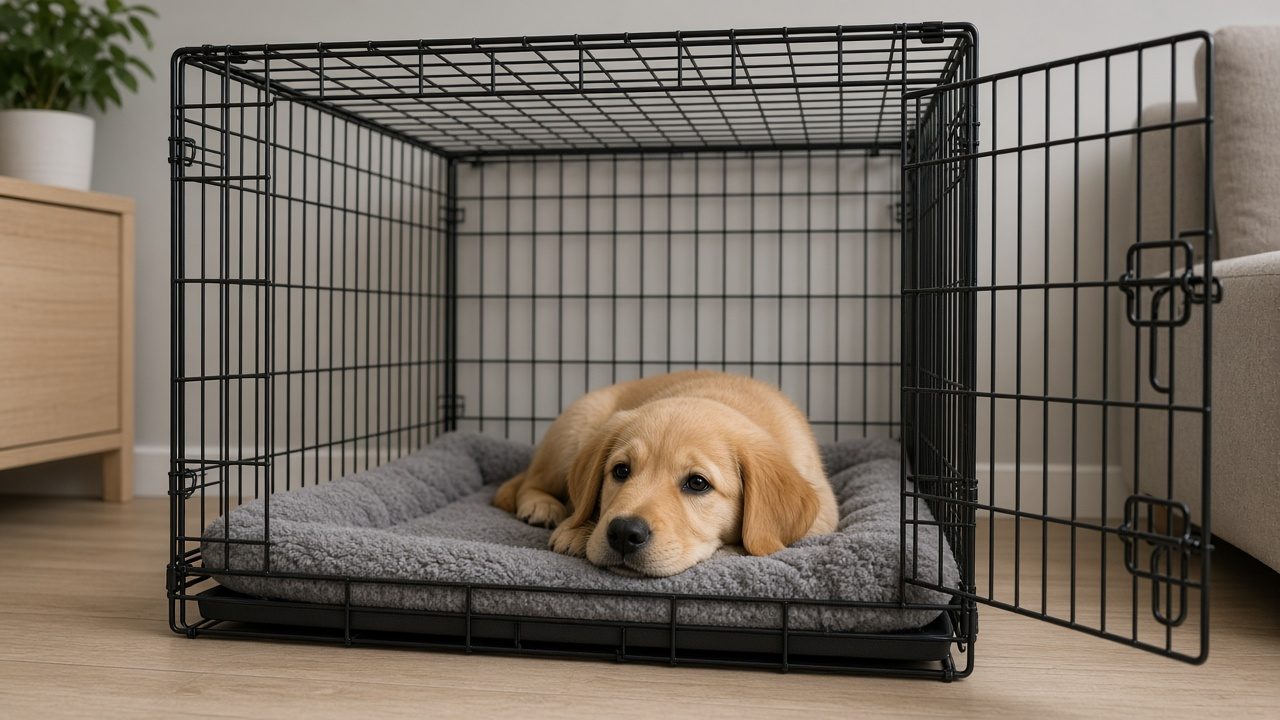
Utilizing a crate is one of the most effective management tools available to new owners. Potty training a puppy using a crate leverages the canine instinct to avoid soiling their sleeping den. Because a young dog resists eliminating where they sleep, a cozy crate naturally encourages them to hold their bladder for manageable intervals.
Choosing proper crate dimensions is vital for this technique to work properly. If the crate is too spacious, a puppy will simply urinate in one far corner and curl up to sleep on the clean side. The crate should only be large enough for your puppy to stand up comfortably, turn completely around, and stretch out flat on their side. Most modern wire crates include an adjustable divider panel that expands as your puppy grows.
Follow a strict crate-to-potty transition routine. Whenever you remove your puppy from their crate—whether after a morning slumber, an afternoon nap, or overnight rest—carry or walk them directly outside on a leash to their elimination area. Do not stop to greet family members or grab a morning coffee. Provide three to five quiet minutes for them to eliminate, reward them generously upon success, and only then allow supervised freedom indoors.
If your puppy does not eliminate during an outdoor break, calmly return them to their crate for ten to fifteen minutes. The short confinement prevents them from sneaking into a corner of your home to relieve built-up pressure. After the brief waiting period, bring them outside to the grass again to try once more.
How Long It Takes to Housebreak a Young Dog
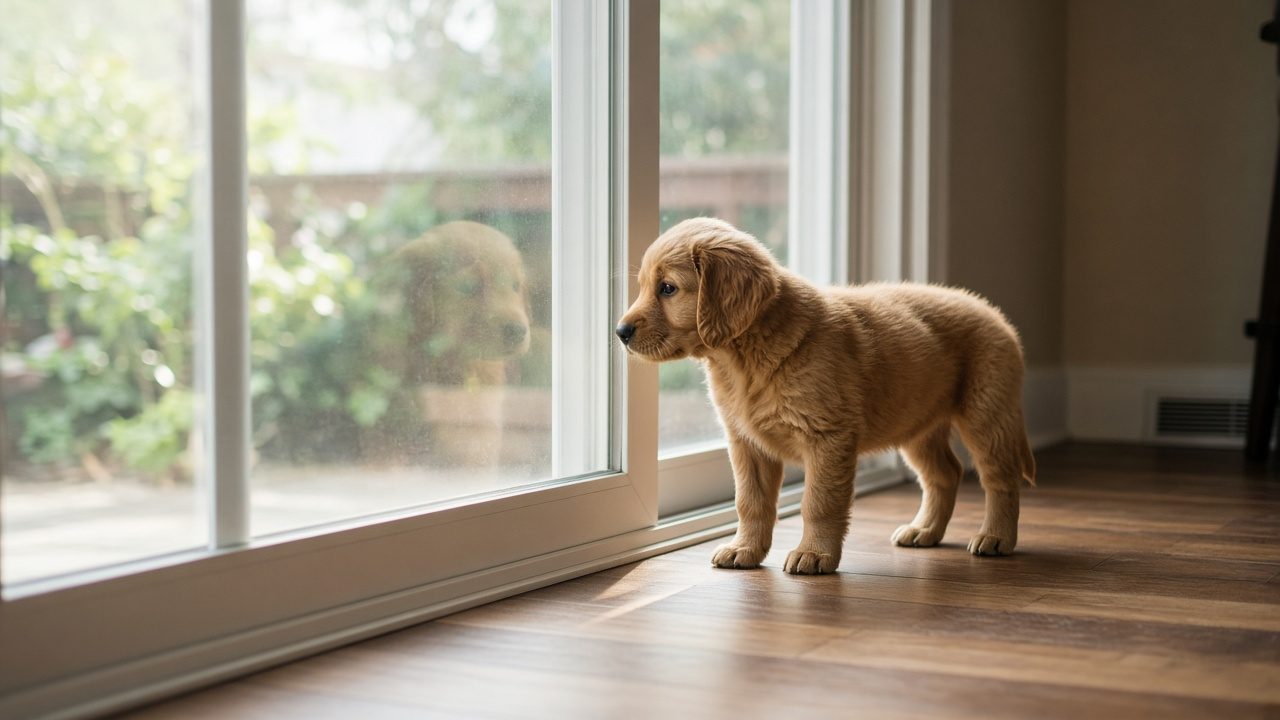
One of the most frequent questions from new pet parents is exactly how long it takes to achieve dependable housebreaking. In general, most puppies achieve reliable daytime bowel and bladder control between four to six months of age, though complete reliability without occasional human error typically requires several consecutive months of consistent management.
Several physiological and environmental factors influence the timeline of housebreaking:
- Bladder Capacity and Age: Guidelines from the Ohio State University College of Veterinary Medicine suggest a rule of thumb of roughly one hour per month of age, give or take an hour. In addition, VCA Animal Hospitals advises taking puppies out every one to two hours while awake and not leaving a puppy crated alone for more than about three hours.
- Physical Breed Size: Toy and miniature breeds have smaller bladders and require more frequent bathroom trips; guidance from the American Kennel Club notes that very young puppies and toy breeds often do best with an outdoor break roughly every hour.
- Prior Breeder Living Conditions: Puppies raised in clean whelping areas with distinct sleeping, eating, and toilet zones housebreak much faster than puppies originating from cramped pet-store enclosures where they were forced to soil their bedding.
- Household Schedule Consistency: Households that maintain rigid feeding, watering, and walking timetables experience faster results than families with irregular, unpredictable daily routines.
Be patient with your dog’s physiological development. Even when an older puppy understands where they are supposed to go, sudden excitement, active play, or an unexpected delay in outdoor access can result in accidents. As noted by VCA Animal Hospitals, many puppies still require a nighttime outing until about five months of age.
Managing Potty Training in an Apartment and When You Work
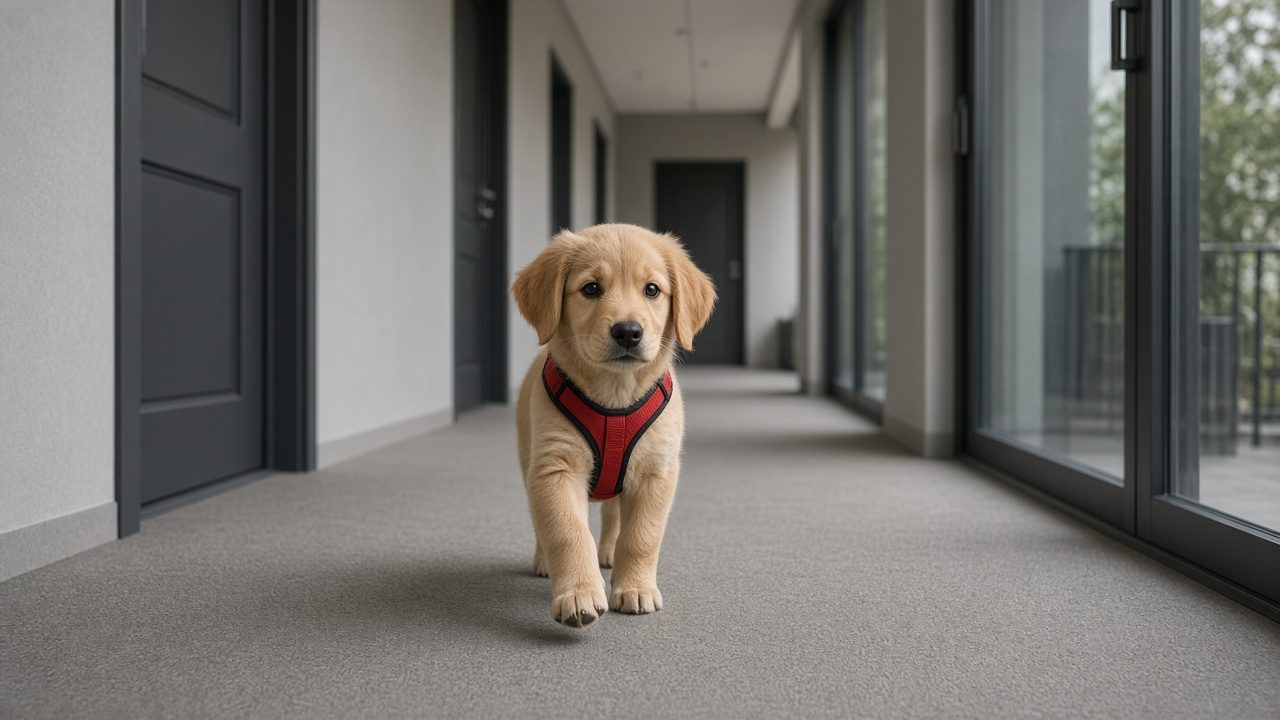
Housebreaking presents unique logistical hurdles when living in an urban high-rise or juggling a standard workplace schedule. Successfully executing puppy potty training in an apartment requires strategic planning, especially when navigating lengthy hallways and elevators with a puppy experiencing full bladder urgency.
When living on an upper floor, consider carrying your young puppy through common corridors, stairwells, and elevator lobbies. The motion of walking on carpeted hallways often stimulates elimination before reaching the outdoor ground. Carrying the puppy engages their natural reluctance to soil an embrace, allowing you to reach street-level grass successfully.
For high-rise dwellings where reaching ground level takes several minutes, creating a designated balcony relief station using a fresh real-grass turf box can provide a practical intermediate solution. According to the American Kennel Club, pee pads can be tricky because they reinforce two toilet options and can slow the transition to outdoor elimination.
Managing Daytime Breaks When You Work
Navigating housebreaking when you work outside the home requires dedicated daytime support. Young puppies cannot remain crated for an eight-hour workday without distress and inevitable accidents. Consider hiring a trusted pet sitter, enlisting a neighbor, or utilizing professional puppy drop-in services to provide midday bathroom breaks, exercise, and hydration. Alternatively, set up an exercise pen on an easy-to-clean floor with a crate attached, providing a humane containment zone during necessary absences.
Overcoming Housetraining Regression and Setbacks

Just when you believe your housetraining journey is complete, encountering unexpected setbacks can happen. According to the Cornell University College of Veterinary Medicine, canine adolescence often begins around six months of age, and previously learned habits can slip during this developmental stage. However, VCA Animal Hospitals emphasizes that if a previously trained dog begins soiling indoors again, owners should consult a veterinarian rather than assuming it is merely a behavioral phase.
When sudden setbacks emerge, your first step should always be consulting your veterinarian to rule out underlying medical issues. As noted by VCA Animal Hospitals, sudden house soiling in a previously housetrained dog warrants a veterinary examination to determine if a health condition is contributing.
If physical health is confirmed clear, handle behavioral regression by temporarily returning to foundational management rules. Restrict unsupervised indoor freedom, reinstate strict crate rest during unwatched moments, and escort your puppy outside on a leash for every elimination opportunity rather than letting them wander into the yard alone.
Mastering how to potty train a puppy is ultimately a test of human consistency, empathy, and patient structure. By anticipating physical needs, reinforcing outdoor successes with enthusiasm, and maintaining a structured routine, your young dog will rapidly develop clean household habits that endure for a lifetime of happy companionship.
Frequently Asked Questions
How often should you take a puppy outside to eliminate?
Young puppies generally need an outdoor bathroom break every one to two hours while awake, following a guideline of roughly one hour of bladder capacity per month of age. In addition, puppies crated during the day should not remain alone for more than about three hours. According to veterinary guidelines, many puppies continue to require a nighttime outing until approximately five months of age.
What size crate should you use for puppy housebreaking?
The crate should only be large enough for your puppy to stand up comfortably, turn completely around, and stretch out flat on their side. If the crate is too spacious, a puppy will simply urinate in one corner and sleep on the clean side. Using an adjustable divider panel allows the enclosure to expand as your dog grows.
How should you handle an indoor accident during housebreaking?
Calmly clean the soiled area with an enzymatic cleaner and tighten supervision without punishing your dog. Veterinary guidelines state that punishment is ineffective and rubbing a puppy’s nose in waste should never be done, as it can cause behavioral problems and fear. Focus instead on taking the puppy directly outside and rewarding outdoor elimination immediately on the grass.
What should you do if a housetrained puppy begins having accidents again?
If a previously housebroken dog suddenly begins soiling indoors, your first step should always be consulting a veterinarian to rule out medical issues. While canine adolescence around six months of age can cause developmental setbacks, underlying health conditions must be evaluated before assuming behavior is the sole cause. Once cleared by a vet, temporarily restrict indoor freedom and return to leashed outdoor trips.