Welcome to Puppy Training Schedule, an essential resource for new puppy owners navigating their first critical weeks at home. Bringing an eight-week-old puppy home is an exciting milestone, yet sudden disruptions to your sleep, daily routine, and carpet cleanliness can feel overwhelming. A structured daily routine transforms that initial chaos into predictable habits so you and your young dog can bond with confidence.
Young puppies thrive when their environment provides clarity, consistency, and calm leadership. Without a predictable timetable, basic habits like housebreaking and crate training become confusing trials for a developing canine brain. Establishing clear daily patterns for bathroom trips, feeding times, structured naps, and quiet confinement sets your household up for lifelong harmony.
Our practical puppy training guides break down early canine development into manageable daily routines. Rather than relying on guesswork, you will learn how biological digestion cycles, natural den instincts, and age-appropriate wake windows work together. Having a consistent routine relieves stress for both new pet parents and their energetic young companions.
Structuring a Daily Routine for Your Puppy in the First Weeks

Creating an effective daily schedule starts with aligning human responsibilities with canine developmental stages. An eight-week-old puppy possesses limited bladder control, requiring outdoor bathroom visits immediately after waking, shortly after every meal, and following vigorous play sessions. Mapping these essential checkpoints onto your calendar prevents accidents indoors.
Enforcing structured daytime downtime is equally important. Young puppies require sixteen to twenty hours of sleep each day. An overtired puppy frequently displays hyperactive nipping and vocal frustration. Building regular crate rest periods into your daily schedule keeps emotional arousal levels balanced.
Housebreaking Success and Outdoor Potty Habits
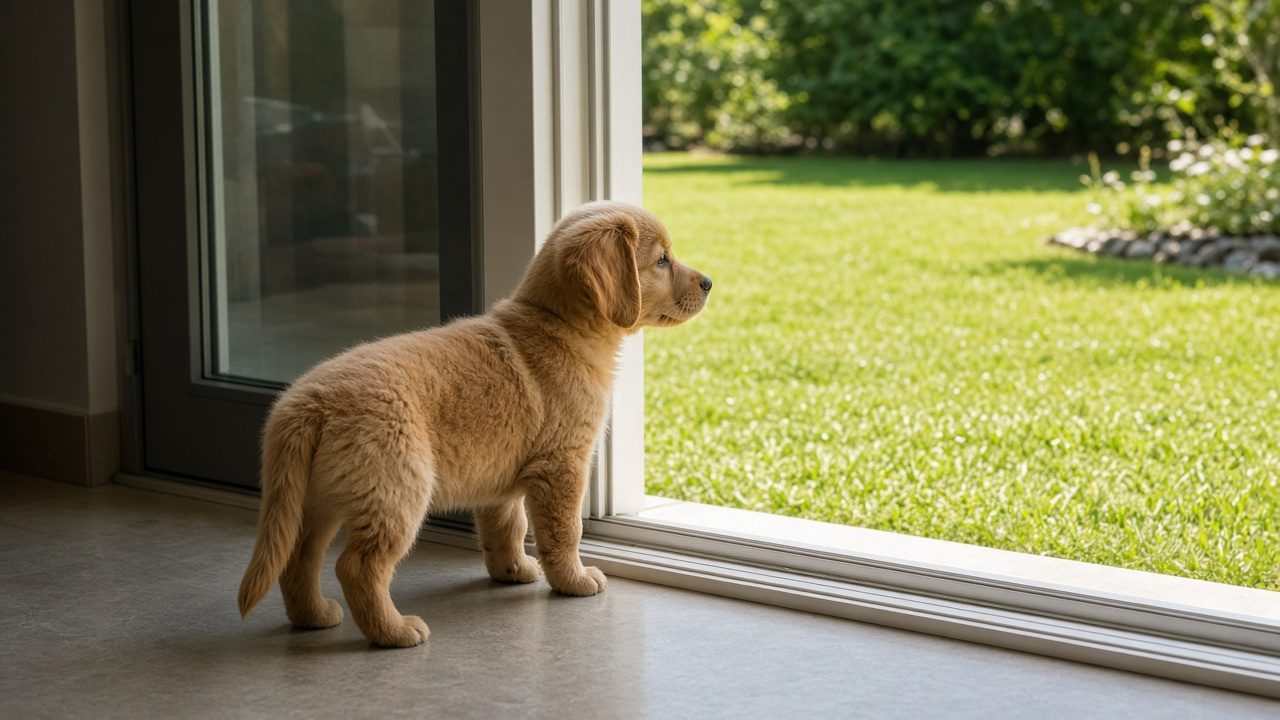
Reliable housetraining forms the bedrock of household peace. Young puppies lack conscious sphincter control until twelve to sixteen weeks of age, meaning vigilance and supervision are required to build reliable outdoor toilet habits.
To help you establish dependable bathroom routines, explore our detailed walkthrough on how to potty train a puppy. We outline exact daytime potty intervals, feeding timetables, confinement protocols, and leash training guidance that teach your young dog where elimination belongs.
Morning and Post-Meal Potty Routines
Taking your puppy outside immediately upon waking and within fifteen minutes after meals establishes clean habits.
Essential Crate Training and Safe Den Management
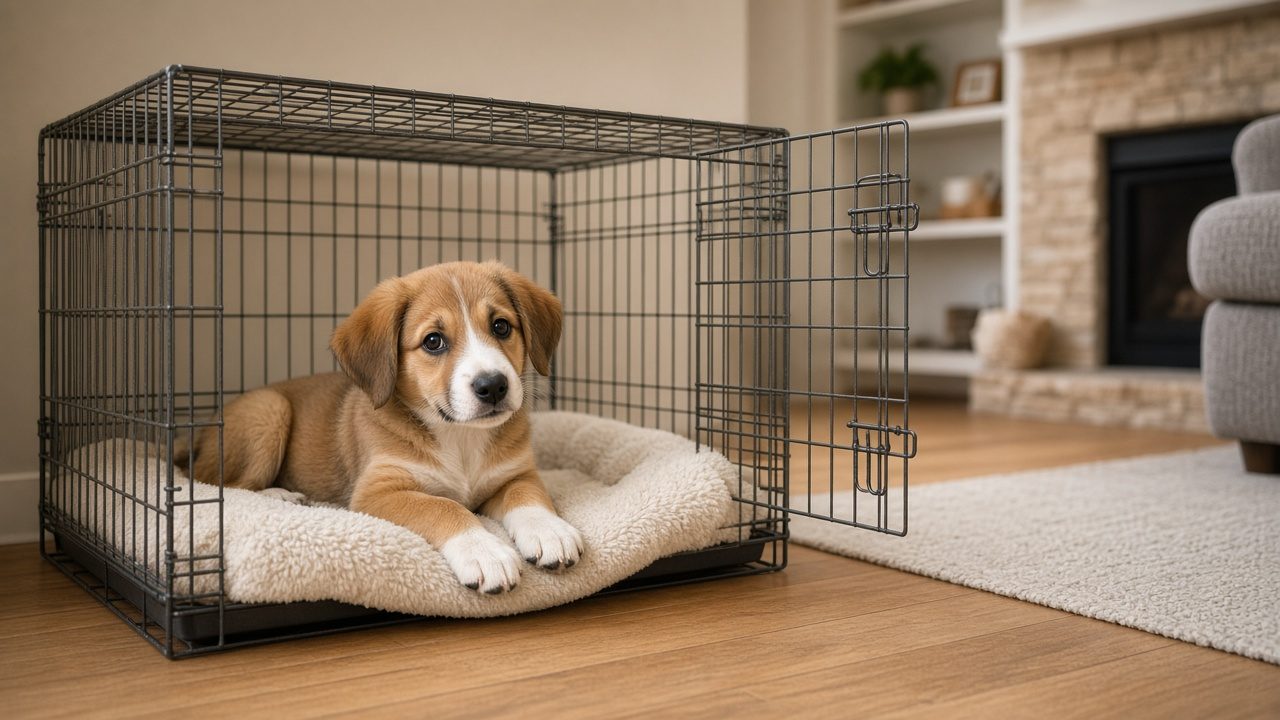
Dogs are naturally clean animals that prefer not to soil their sleeping quarters. When introduced with gentle patience, an appropriately sized wire enclosure becomes an indispensable training asset rather than a restrictive cage.
Our complete guide to crate training a puppy covers step-by-step introduction exercises, mealtime integration, positive association games, and proper sizing rules. When your puppy perceives their crate as a warm haven, daytime departures and restful nights become second nature.
Positive Crate Games and Feeding Exercises
Feeding daily meals and offering stuffed chew toys inside an open enclosure transforms the den into your puppy relaxing retreat.
Solving Nighttime Whining and Establishing Sound Sleep

The first few nights can be challenging for a young puppy separated from mother and littermates. The sudden quiet of nighttime darkness often triggers distress vocalizations that test the patience of sleep-deprived owners.
If you are struggling with bedtime whimpering, consult our focused guide on managing a puppy crying in crate at night. We provide practical training advice on crate bedroom placement, evening water cutoff times, brief outdoor bathroom breaks, and distinguishing between genuine physical needs and normal protest vocalizations.
Bedside Crate Setup for Nighttime Comfort
Keeping the sleeping crate right next to your bed allows the young puppy to smell your reassuring presence while making midnight potty breaks quick.
Daily Exercise Rhythms and Mental Stimulation for Puppies
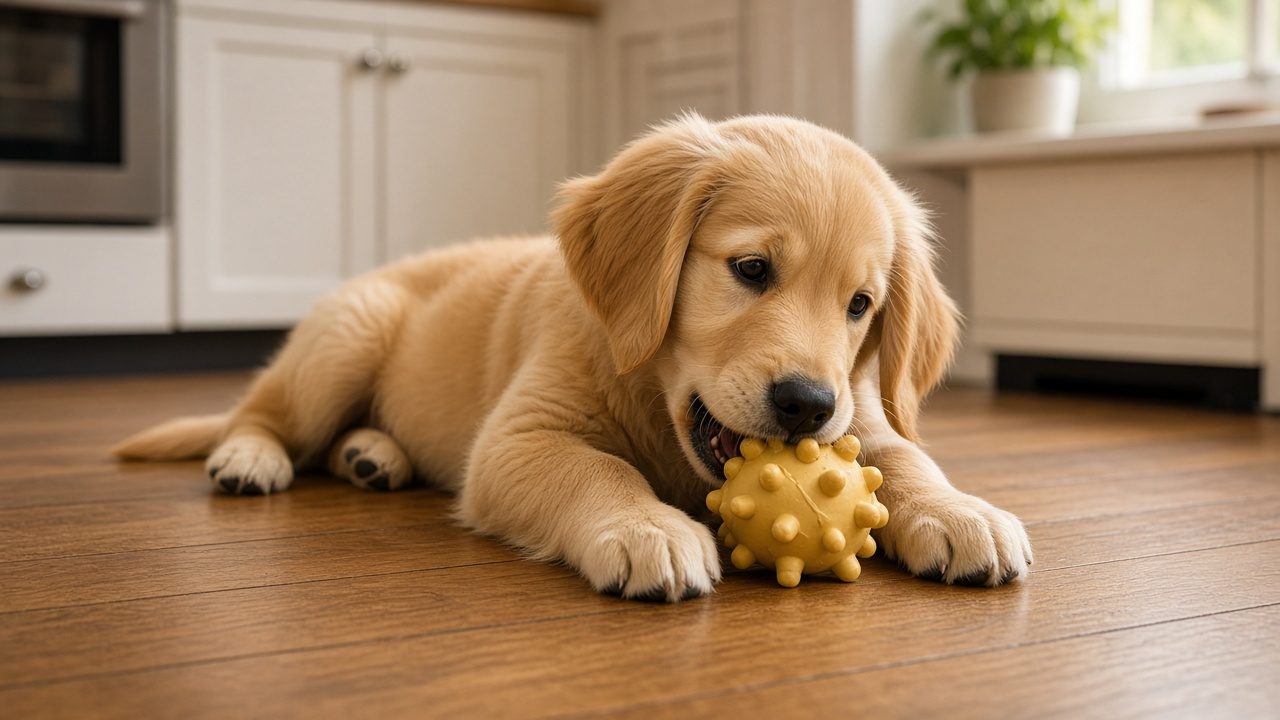
Balancing mental enrichment with physical activity prevents destructive boredom and supports steady cognitive development. Engaging puzzle toys, lick mats, and brief positive reinforcement training sessions satisfy your puppy natural curiosity without exhausting their growing joints.
Following a thoughtful daily training plan allows you to anticipate developmental changes smoothly as your puppy grows into a confident companion. By reinforcing calm puppy behavior and meeting biological needs consistently, you lay the foundation for a lifetime of trust, affection, and exemplary canine companionship.
Frequently Asked Questions About Early Puppy Care
Here are clear answers to the most common questions new puppy owners ask during their first weeks of home training.
How many hours a day should an eight-week-old puppy sleep?
Young puppies require sixteen to twenty hours of sleep every day to support healthy brain development and physical growth.
When can a young puppy hold their bladder through the night?
Most puppies develop sufficient bladder capacity to sleep six to eight hours without a bathroom break between twelve and sixteen weeks of age.
What should you do if your puppy whines in the crate?
Wait for a brief pause of quiet before opening the crate door, unless it is nighttime and your puppy needs a quick, boring bathroom trip.
How often should a new puppy go outside for bathroom breaks?
Take your puppy outside every thirty to sixty minutes while awake, as well as immediately after eating, drinking, sleeping, or active indoor play.