Designing a balanced puppy sleep schedule is the single most effective way to prevent frantic biting, reduce overtired tantrums, and help your young companion grow into a calm, well-adjusted adult dog. Because young canines require eighteen to twenty hours of sleep every day to support rapid brain and physical development, structuring predictable wake windows and quiet nap periods prevents behavioral burnout. By balancing scheduled rest with interactive play, feeding times, and bathroom breaks, you can create a peaceful household routine that works for your entire family.
Infant canines grow at an astonishing developmental pace during their first six months. Their bones, muscles, central nervous system, and immune defenses depend heavily on deep, undisturbed slumber to rebuild and strengthen. Without structured rest, young dogs lack the self-regulation to calm themselves down, leading to sudden bursts of frantic running, painful nipping, and behavioral regression.
A reliable puppy training schedule serves as your greatest asset during early development. When you align bathroom breaks with feeding intervals, wake-up times, and play periods, elimination routines become much easier to manage. Rather than reacting to accidents after they happen indoors, you proactively escort your puppy to their designated outdoor spot before urgency strikes.
According to veterinary guidance published by the American Kennel Club, puppies sleep between 18 and 20 hours a day, and an overtired companion often exhibits challenging behavior rather than simply falling asleep. Establishing structured naps in a dedicated resting den prevents fatigue and supports healthy emotional development.
Understanding Canine Sleep Needs and Developmental Growth
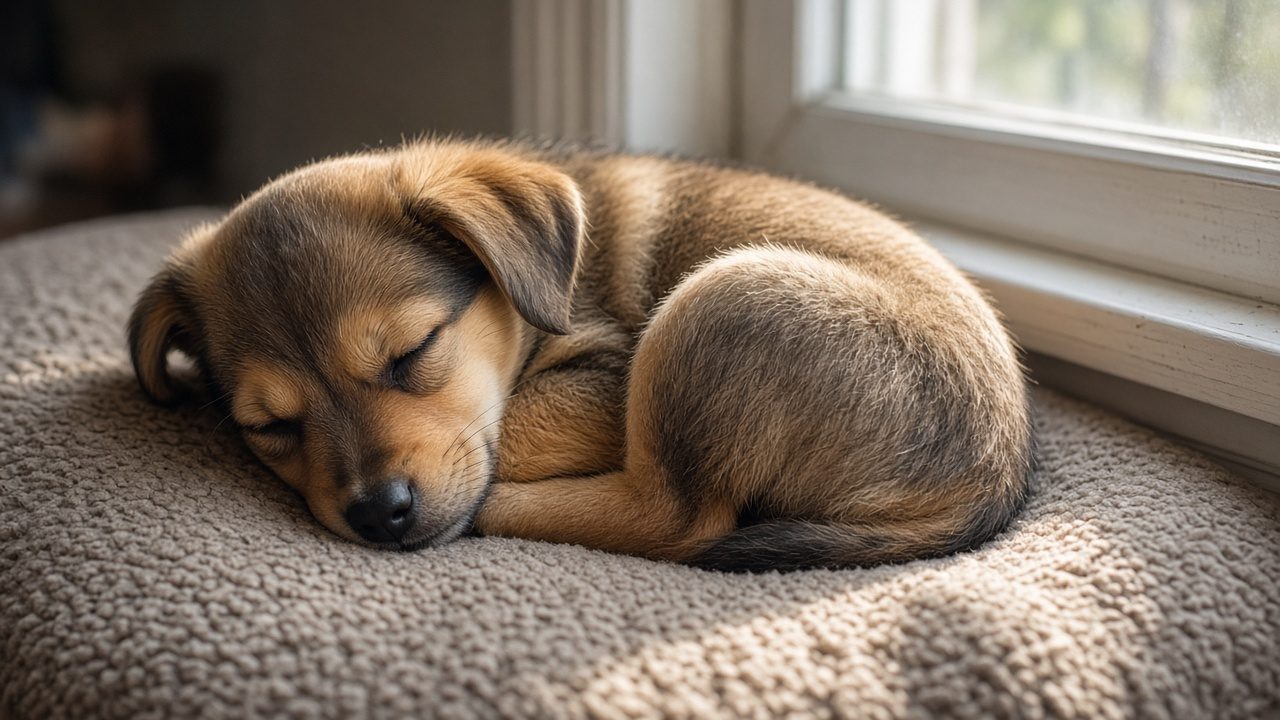
Why Young Canines Need Up to Twenty Hours of Rest
New pet parents are frequently surprised by just how much sleep a young dog requires. In the wild and domestic environments alike, rapid physical growth consumes immense caloric and metabolic energy. According to the American Kennel Club, sleep supports the healthy development of the central nervous system, brain, immune system, and muscles.
During deep slumber, you will often notice your companion twitching their paws, fluttering their eyelids, or emitting soft muffled yelps. Protecting these sleep cycles is essential for mental wellness.
Recognizing the Signs of an Overtired Companion
Unlike adult canines that naturally curl up when exhausted, young dogs often become hyperactive when they miss a nap.
Recognizing these behavioral signs allows you to intervene before a full emotional meltdown occurs. Rather than scolding your dog for rough mouthing, calmly escort them to their quiet sleeping den with a soothing chew toy, helping them transition into restorative sleep.
Structuring Daytime Naps and Wake Windows by Age
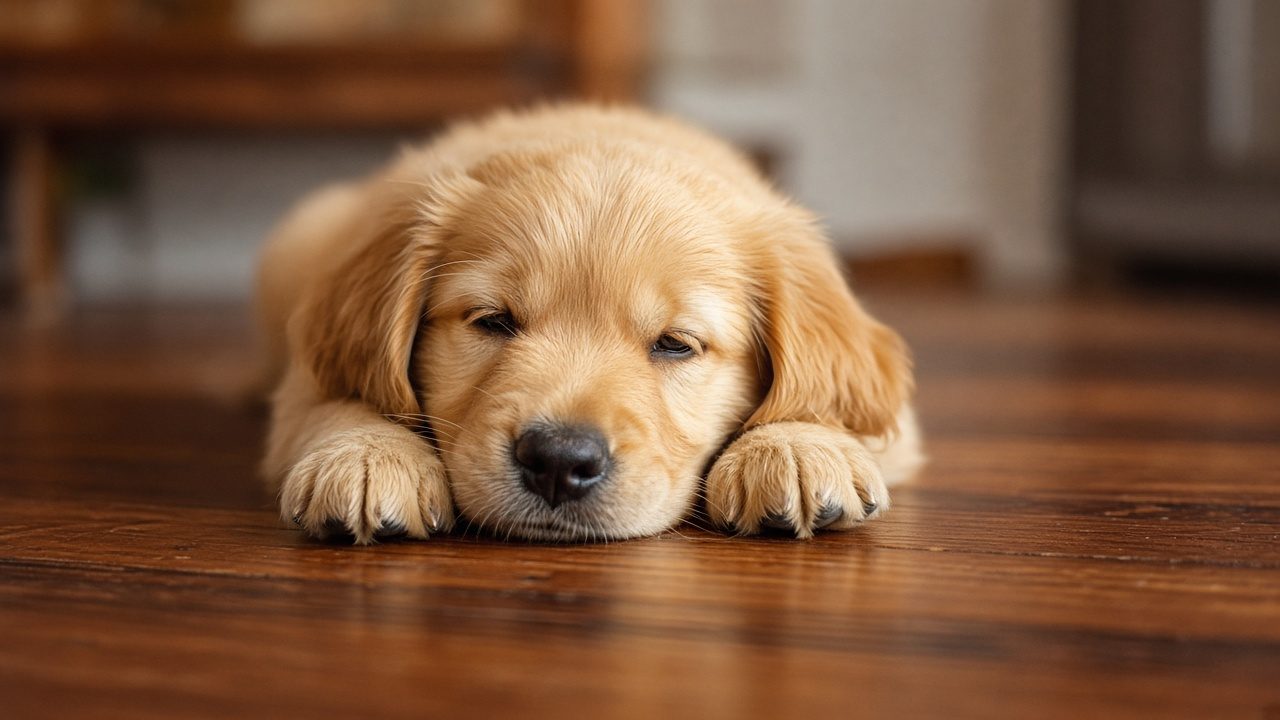
Organizing your day around biological wake windows prevents fatigue and housebreaking mistakes. Below is a sample daily routine; note that clinical guidance from VCA Animal Hospitals recommends taking a two-month-old puppy outside at least every two hours, even overnight, and a three-month-old every three hours:
| Time Window | Routine Activity | Rest Type | Duration & Purpose |
|---|---|---|---|
| 6:30 AM – 7:30 AM | Morning Wake-Up, Potty & Breakfast | Active Wake Window | Outdoor elimination, breakfast, and gentle bonding; 1 hour total. |
| 7:30 AM – 9:30 AM | Morning Den Nap | Deep Slumber | 2-hour structured nap in quiet bedroom or crate; cellular recovery. |
| 9:30 AM – 10:30 AM | Mid-Morning Potty, Play & Training | Active Wake Window | Bathroom break, basic cue practice, and interactive toy play. |
| 10:30 AM – 12:30 PM | Late Morning Den Nap | Deep Slumber | 2-hour nap; allows puppy to decompress after mental stimulation. |
| 12:30 PM – 1:30 PM | Lunch, Yard Potty Break & Sniff Time | Active Wake Window | Midday meal, hydration, private yard elimination, and light exploration (keep to a private yard or carry puppy in public to prevent parvovirus until vaccines are finished at 16+ weeks). |
| 1:30 PM – 3:30 PM | Afternoon Den Nap | Deep Slumber | 2-hour undisturbed nap; supports digestive rest and growth. |
| 3:30 PM – 4:30 PM | Afternoon Potty, Play & Handling | Active Wake Window | Outdoor break, grooming acclimation, and gentle body handling. |
| 4:30 PM – 6:30 PM | Late Afternoon Nap | Deep Slumber | 2-hour quiet rest; prevents evening overstimulation and fatigue. |
| 6:30 PM – 7:30 PM | Dinner, Family Time & Potty | Active Wake Window | Evening meal, supervised living room interaction, and bathroom trip. |
| 7:30 PM – 9:00 PM | Evening Power Nap | Light Rest | 1.5-hour rest in living area or pen; recharges calm focus. |
| 9:00 PM – 10:00 PM | Final Play, Wind-Down & Bedtime Potty | Calm Wake Window | Gentle petting, water removal, and final outdoor elimination. |
| 10:00 PM – 6:30 AM | Overnight Sleep (with Mid-Potty Break) | Overnight Slumber | 8.5 hours total sleep, with bathroom breaks at least every two to three hours as needed for age. |
Feeding schedules must also align with age: guidance from the American Kennel Club notes that puppies require four feedings a day at six to twelve weeks, transitioning to three meals daily between three and six months.
Implementing the One-Hour-Up Two-Hours-Down Framework
A proven strategy for managing daily rest is the one-hour-up, two-hours-down guideline. Under this framework, for every hour of active wakefulness—encompassing eating, bathroom trips, and training—your pet receives approximately two hours of quiet resting time in their enclosure.
Pairing structured nap schedules with a predictable puppy potty training schedule ensures that bathroom breaks coincide with waking moments, significantly reducing indoor house soiling.
Creating an Undisturbed Environment for Quality Slumber
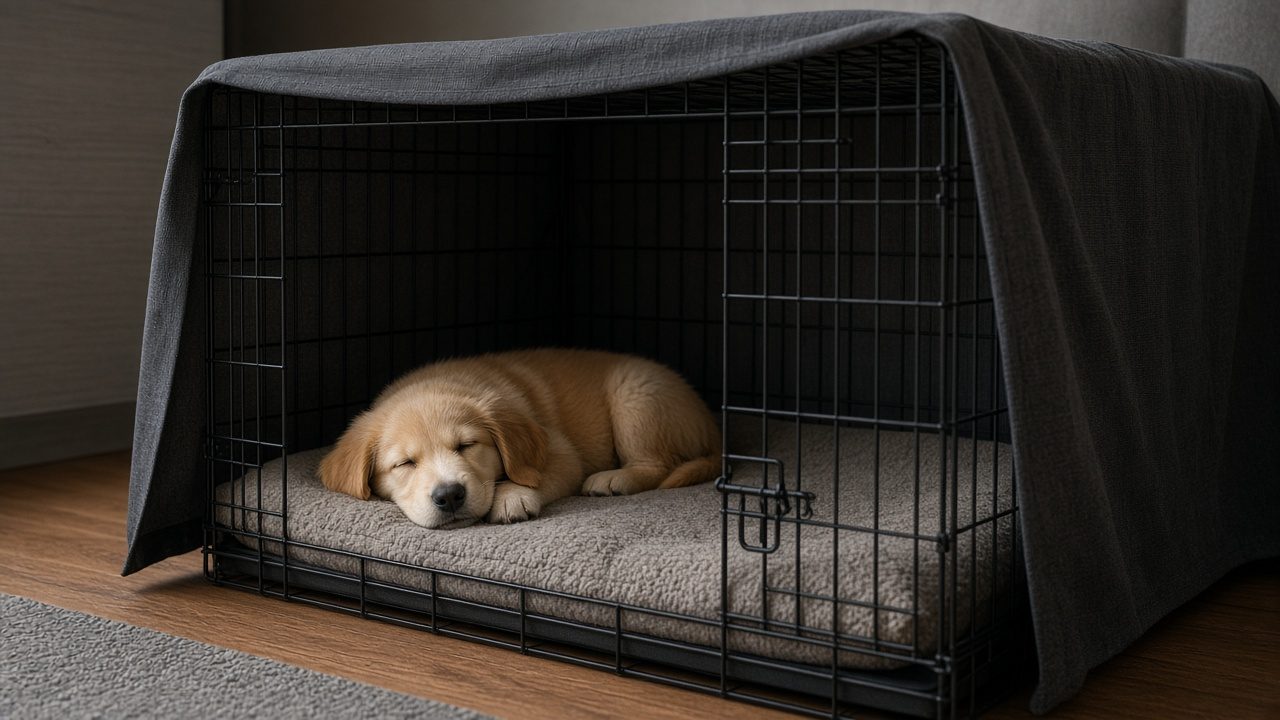
Where your young companion rests significantly influences the depth and quality of their sleep. Setting up an enclosure in a bustling kitchen or near a loud television can prevent pets from entering deep, restorative sleep cycles. Puppies are easily aroused by household movements, foot traffic, and kitchen noises.
Place the resting den in a quiet, climate-controlled room away from main entryways. Draping a light, breathable sheet or blanket over three sides of a wire enclosure helps minimize visual distractions, creating a cozy, dark den that signals sleep time. A white noise machine or soft classical music can mask unpredictable external noises like doorbells or delivery trucks.
Provide comfortable, chew-resistant bedding that provides joint support and warmth. Ensure the room maintains a comfortable temperature, as infant canines struggle to regulate body heat if an area is too drafty or excessively warm.
Evening Wind-Down Routines for Peaceful Nights
Transitioning from lively daytime energy to quiet nighttime slumber requires a deliberate wind-down routine. Beginning roughly one hour before bedtime, dim household lighting, turn down television volumes, and avoid high-energy wrestling games or fast-paced games of fetch.
Engage your companion in soothing, low-arousal activities. Gentle grooming, soft petting, and offering a soothing chew toy provide calm comfort that helps your pet settle for sleep. Remove food bowls and water dishes approximately two hours before bedtime to reduce overnight bladder urgency.
Integrating a thoughtful puppy sleep schedule into your household routine allows your family to enjoy restful nights while supporting your young pet’s physical and psychological wellbeing.
If your companion struggles with vocal fussing at bedtime, implementing proven how to stop puppy crying in crate strategies ensures a smooth, comforting transition to sleep.
Handling Nighttime Awakenings and Biological Needs
Nighttime sleep requires patience and realistic expectations regarding infant canine physiology. Clinical guidance from VCA Animal Hospitals notes that young puppies often require one to two months to adjust to an enclosure and may not be comfortable remaining in the crate overnight until around six months old.
When your pet stirs in the middle of the night, keep all interactions calm, quiet, and business-focused. Slip on your shoes, clip on their leash, and carry them directly outdoors to their elimination spot. Avoid speaking in an enthusiastic voice or turning on bright lights. Once elimination is finished, offer brief gentle praise and place them back in their den for sleep.
Resources from the American Kennel Club remind owners that consistency, patience, and realistic developmental expectations are key to long-term success. If your pet experiences persistent sleep disturbances, excessive distress, or sudden behavioral changes, consult your veterinarian to evaluate physical health.
With patient guidance, loving consistency, and structured daily rest, your young dog will develop serene sleeping habits that last a lifetime.
Frequently Asked Questions
How many hours a day does a young dog normally sleep?
Young canines typically sleep between 18 and 20 hours each day, dividing their rest between daytime naps and nighttime sleep. This extensive rest is critical for proper immune function, muscle growth, and healthy central nervous system development. Providing structured rest opportunities prevents overtired tantrums.
What is the one-hour-up two-hours-down nap pattern?
The one-hour-up, two-hours-down routine is a management framework where a young dog spends approximately one hour awake for meals, bathroom trips, and supervised play, followed by two hours of resting in their enclosure. This rhythm prevents sensory overstimulation and ensures puppies achieve necessary daily sleep quotas.
How can you calm an overtired pet that refuses to settle?
When an overtired pet displays frantic zoomies or rough biting, calmly guide them to their quiet sleeping enclosure with a soothing long-lasting chew item, such as a frozen rubber toy. Lowering lights, reducing room noise, and avoiding eye contact help the nervous system decompress and transition into restorative sleep.
At what age do young canines start sleeping through the night?
According to the American Kennel Club, puppies develop bladder control around 16 weeks and a four-month-old can hold urine for roughly five hours. Until that milestone is reached, expect to provide at least one quiet middle-of-the-night bathroom outing.