Bringing a young dog home brings incredible joy, but learning how to stop puppy biting is often the most urgent household challenge for new owners. During their initial weeks with a family, young puppies naturally explore their surroundings and interact with humans using razor-sharp baby teeth, resulting in painful nips on fingers, ankles, and clothing. By teaching gentle mouth control through bite inhibition, consistently redirecting teeth toward appropriate chew toys, and providing structured quiet breaks, you can guide your companion toward gentle play habits without causing fear or confusion.
Mouthing is an entirely normal exploratory behavior rather than a sign of aggression. Puppies learn early communication by tumbling with littermates, discovering that overly hard bites cause playmates to yelp and withdraw from the game. When a puppy transitions into a human household, they must learn that delicate human skin cannot tolerate the same rough contact that their furry siblings easily withstood.
Following a structured puppy training schedule provides the daily predictability young dogs need to regulate their energy. When feeding times, bathroom trips, and naps are planned consistently, puppies experience fewer spikes of frantic overarousal that trigger painful mouthing.
Guidance published by the American Kennel Club notes that teaching bite inhibition helps dogs learn to control the force of their jaws if they ever mouth someone in pain or fear. Combining this practice with proper confinement tools such as crate training a puppy sets a solid foundation for household manners.
Why Puppies Bite and How Mouthing Develops
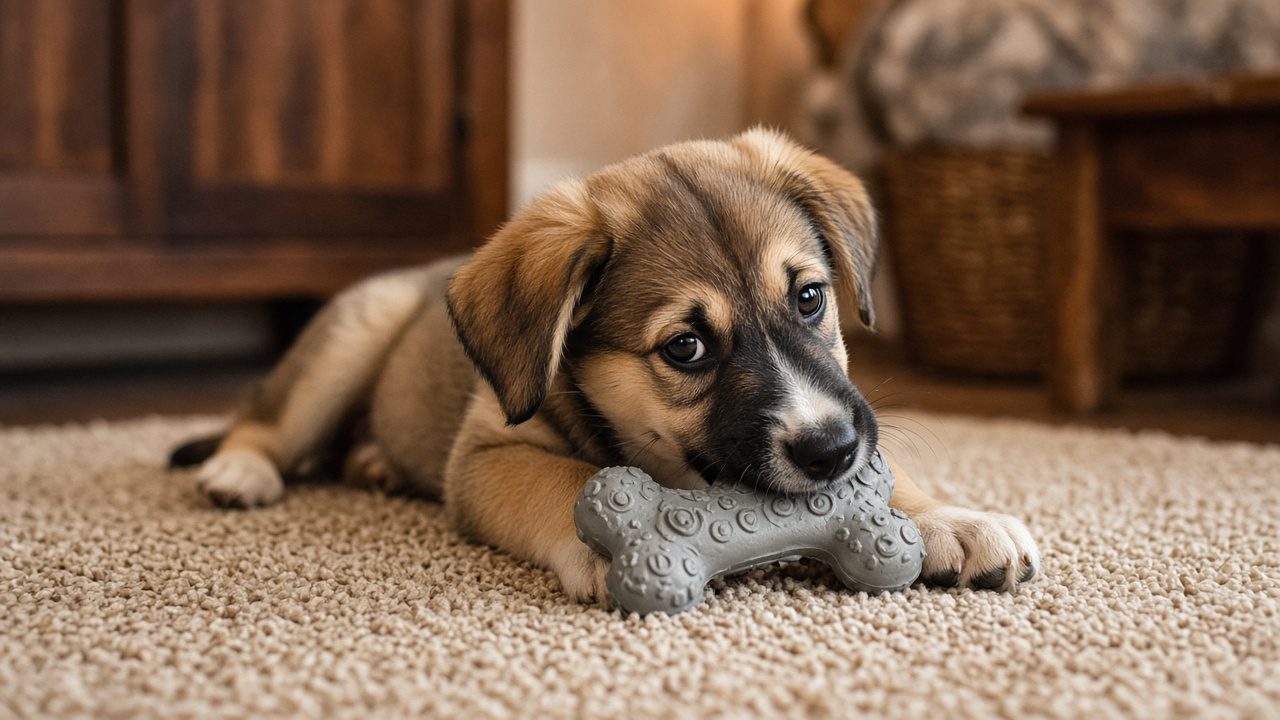
Normal Developmental Exploration
Young puppies explore the world primarily through their mouths, noses, and paws. Without hands to grasp objects, a puppy picks up toys, shoes, sticks, and human fingers to investigate texture and resistance. This oral exploration peaks during early puppyhood when curiosity is highest and social boundaries are still forming.
During energetic play sessions, excitement naturally accelerates mouthing. A puppy running across a rug or chasing a moving foot often grabs whatever surface is nearest. Recognizing that this behavior reflects enthusiastic play rather than malice helps owners remain calm and patient throughout training.
Littermate Socialization and Bite Pressure
In a healthy litter, puppies provide immediate feedback to one another whenever play becomes too rough. When one puppy bites down too hard on a sibling’s ear or paw, the recipient emits a sharp yelp and abruptly stops playing. This sudden loss of a play partner teaches the biting puppy that painful pressure brings an instant halt to fun.
Clinical resources from the Ohio State University Veterinary Medical Center emphasize that while the mother dog begins teaching bite manners, owners must actively teach bite inhibition. When adopting a puppy at eight weeks of age, human family members must step into that teaching role to reinforce gentle mouth manners.
If a puppy was separated from littermates early, owners must be especially diligent and consistent when working on how to stop a puppy biting during daily interactions, ensuring the dog gradually learns to soften their mouth contact.
Teaching Bite Inhibition to Soften Jaw Pressure
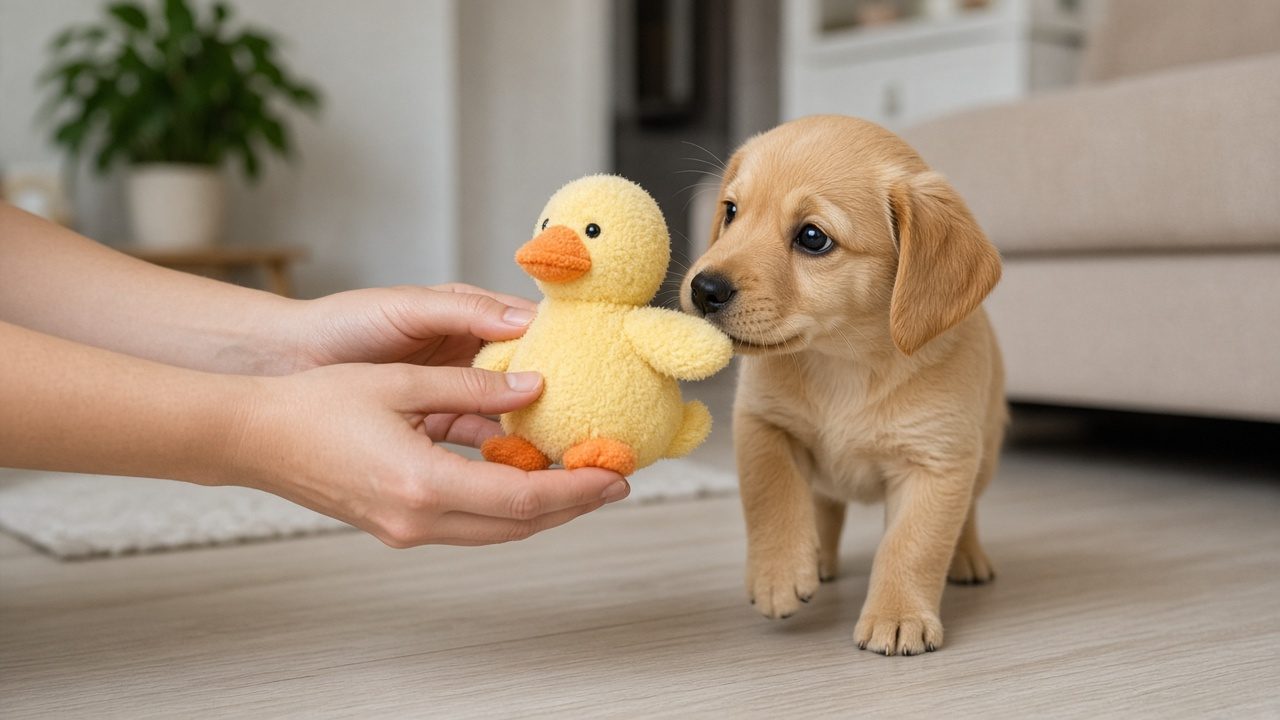
Responding to Painful Nips with Verbal Feedback
The first objective in mouth manners training is teaching your puppy to moderate jaw pressure rather than attempting to stop all mouth contact immediately. A dog that has acquired dependable bite inhibition understands how to mouth gently without exerting force, creating an important safety buffer for adult life.
When playing with your puppy and their teeth make painful contact with your hand, emit a high-pitched “Ouch!” or soft yelp and let your hand go limp. Do not jerk your hand away quickly, as sudden jerky movement can look like a game and prompt the puppy to grab again. Instead, allow your limp hand to become completely boring.
If your puppy pauses and backs away or licks your hand, praise them softly and resume gentle play. Guidance from the ASPCA recommends teaching puppies that gentle mouthing is tolerable while hard pressure causes social interaction to stop immediately. Gradually lower your threshold for acceptable pressure until the puppy keeps teeth off skin entirely.
Practicing Low-Arousal Handling
Incorporate calm handling exercises into your daily routine when your puppy is relaxed. Gently stroke their chest, touch their paws, and massage their ears while offering pea-sized treats for calm behavior. If their mouth reaches for your fingers, pause until they settle back into a restful state.
Pairing handling exercises with established housebreaking habits such as how to potty train a puppy helps maintain emotional equilibrium throughout the day, preventing restless frustration.
Redirecting Play Biting to Safe Chew Toys

Keeping Interactive Toys Within Reach
Puppies need appropriate outlets for their natural urge to chew and mouth. Whenever you interact with your young dog, always have two or three engaging toys within immediate reach. As soon as your puppy approaches with an open mouth seeking to play, place an enticing toy directly into their path before teeth make contact with your skin.
Guidance from VCA Animal Hospitals advises choosing chew items that bend and supervising all chew sessions to prevent tooth fractures and obstruction hazards. Moving a toy along the floor with erratic motions makes it far more exciting to chase than motionless human fingers, successfully teaching your dog where their biting energy belongs.
Managing Moving Feet and Ankles
Many owners struggle with puppies nipping at socks and ankles as they walk through rooms. This nipping behavior is often triggered by movement, as puppies are naturally drawn to moving feet. If your puppy pounces on your feet, abruptly freeze in place like a tree trunk, tucking your arms against your torso.
When human legs stop moving, the game immediately loses its entertainment value. Once your puppy pauses and sits, redirect their focus onto a tossed toy or reward them with a treat for keeping all four paws on the floor. Carrying a favorite tug toy allows you to anticipate excitement and redirect attention before ankles are grabbed.
Using Calm Time-Outs to Stop Rough Mouthing
Withdrawing Attention When Teeth Make Contact
If your puppy bites down hard and ignores verbal feedback or toy redirection, an immediate short time-out is the most effective consequence. Turn your back, cross your arms, and avoid making eye contact for ten to twenty seconds. Removing social engagement signals clearly that sharp teeth end the fun.
If your puppy continues jumping and biting at your clothes while you are turned away, calmly walk out of the room or step behind a baby gate for thirty to sixty seconds. Keep the separation brief so your puppy connects the isolation with their biting behavior, then return calmly and offer an approved toy.
Avoiding Physical Discipline and Roughhousing
Never swat, slap, hold a puppy’s mouth closed, or shove fingers down their throat. Physical punishments do not teach a puppy what to do instead, and they frequently induce fear, defensive aggression, or escalate arousal into frantic retaliation.
Similarly, avoid rough wrestling games using bare hands where you push your puppy’s face or roughhouse on the carpet. These activities teach your young companion that biting human skin is an acceptable part of play, complicating your training efforts.
Managing Teething Pain and Overtired Frustration
Soothing Sore Gums During Tooth Eruption
Between twelve and twenty-four weeks of age, baby teeth fall out and adult teeth emerge through the gums. This teething process causes significant inflammation and oral discomfort, driving puppies to chew vigorously on anything they can find.
Provide targeted relief by offering soothing cold items. Wet a clean washcloth, twist it into a rope shape, and freeze it before handing it to your puppy under supervision. Freezing a hollow rubber toy filled with a smear of canned puppy food or water creates an enduring soothing activity that numbs aching gums.
If your puppy appears unusually uncomfortable or shows signs of persistent gum swelling, refusal to eat, or broken teeth, schedule an examination with your veterinarian. Your veterinarian can evaluate dental development and recommend safe relief options tailored to your dog.
Preventing Overtired Frenzy Episodes
Young puppies require substantial daily rest for healthy development. When a puppy stays awake too long, their self-regulation deteriorates rapidly, resulting in frantic zoomies and relentless biting that resists redirection.
Understanding how to stop puppy biting requires recognizing that late-evening biting episodes often signal exhaustion rather than defiance. When your puppy becomes frantic and unable to settle, calmly guide them to their crate or quiet sleeping zone with a stuffed chew toy for an overdue nap.
With patient daily practice, consistent bite inhibition guidance, and reliable routines, your puppy will quickly develop gentle mouth control and become a polite, affectionate family member.
Frequently Asked Questions
At what age do puppies usually stop biting?
During early puppyhood, consistent redirection to safe chew toys and short time-outs help speed up this developmental transition. If rough mouthing persists beyond six months, consult a qualified positive reinforcement trainer or your veterinarian.
Should you yelp or make a high-pitched noise when a puppy bites?
Emitting a sharp yelp can mimic littermate feedback and teach a puppy that their jaw pressure was too painful, causing them to back away and soften their bite. However, if your puppy becomes more excited or aroused by high-pitched vocalizations, calmly going silent, freezing in place, and stepping away provides a far more effective consequence. Always tailor your response to what successfully calms your specific dog.
What should you do if your puppy bites your ankles while walking?
When a puppy nips at your ankles or socks, immediately freeze in place like a statue because movement rewards their natural chase instinct. Once the puppy stops nipping and looks up, redirect their energy toward an approved chew toy or ask for a simple sit before moving again. Carrying a soft toy in your pocket allows you to redirect moving feet toward appropriate items proactively.
How do you know if puppy biting is normal or aggressive?
Normal puppy mouthing occurs during active play or teething and is accompanied by a relaxed body, soft eyes, and loose, wiggly body language. In contrast, genuine aggression involves rigid body posture, intense staring, lip curling, deep snarling, and purposeful snaps intended to defend space or resources. If you observe stiffening or guarding behaviors, contact a certified veterinary behaviorist or your veterinarian for guidance.