Experiencing sudden potty training puppy regression is a widespread developmental phase that can be resolved by resetting basic management, tight schedules, and veterinary evaluations. Many pet owners feel immense frustration when an adolescent dog who seemed completely housebroken suddenly starts having accidents indoors again.
Housebreaking is rarely an unbroken upward trajectory; rather, canine development involves physiological surges, teething discomfort, hormonal maturation, and expanding curiosity that can temporarily disrupt previously learned habits. Recognizing that a setback is normal helps you respond with patience and clear management rather than anger or despair.
Anchoring your household to a steady puppy training schedule provides the structure needed to navigate these temporary speed bumps smoothly. In this comprehensive guide, we examine the underlying triggers behind adolescent setbacks and outline a step-by-step recovery plan to restore clean indoor manners.
Understanding Why Housebreaking Setbacks Happen
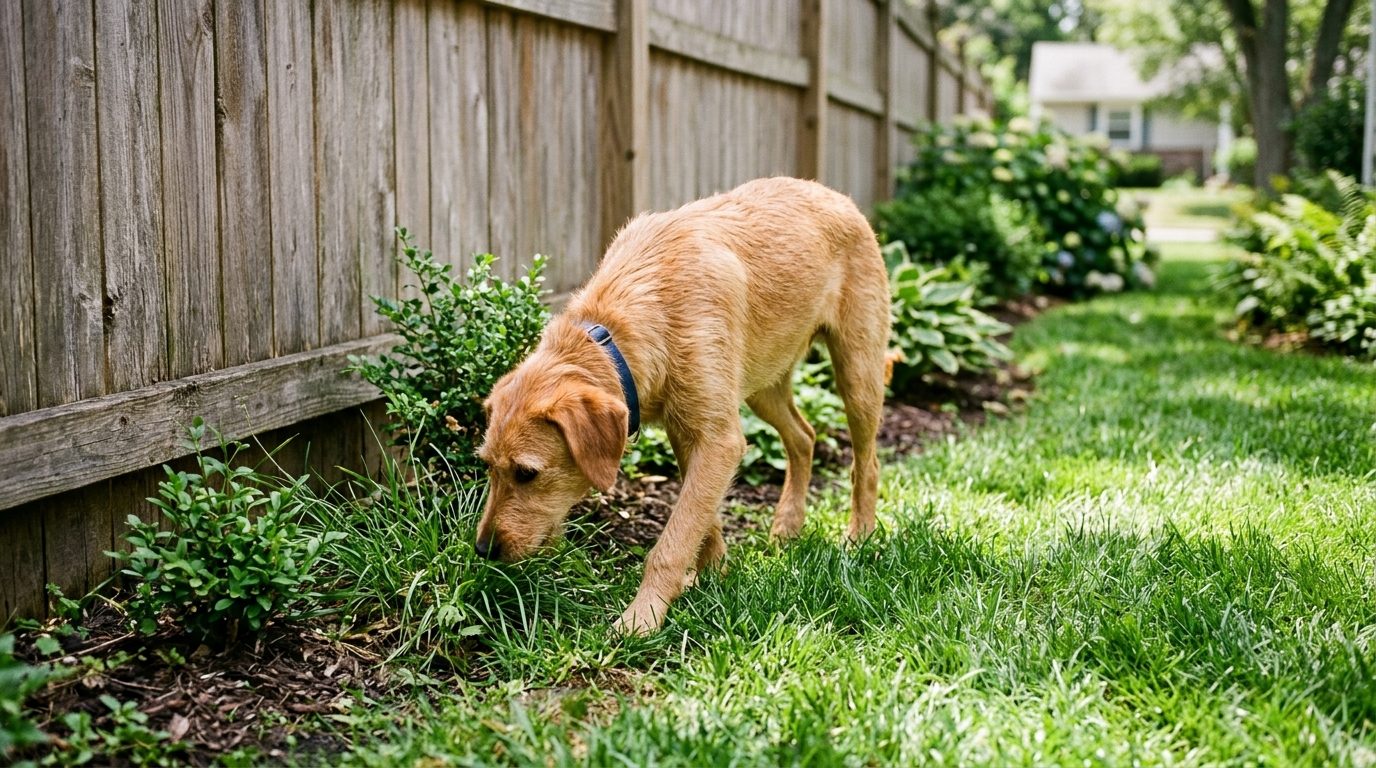
A sudden decline in house training success usually stems from developmental shifts, changes in daily household routine, or subtle physical discomfort. When young dogs transition from early puppyhood into adolescence, their interest in the surrounding world expands exponentially. Outdoor distractions often cause young dogs to forget their bathroom duties entirely.
Furthermore, human caretakers frequently contribute to setbacks by granting too much indoor freedom too quickly. When a puppy goes two or three weeks without an indoor mistake, owners naturally relax their supervision, stop using crates, and allow the dog to wander freely between rooms. Without watchful eyes, an adolescent canine can quietly revert to eliminating on quiet rugs.
Comparing your dog’s current behavior to our developmental milestones in the puppy potty training timeline can help you identify whether your pet is navigating a predictable developmental transition or dealing with an environmental disruption.
Identifying Routine Shifts and Environmental Changes
Dogs thrive on predictable schedules, and even minor disruptions to their daily rhythms can provoke unexpected bathroom accidents. Common lifestyle changes that trigger setbacks include family holiday gatherings, household moves, changes in owner work schedules, new furniture arrangements, or severe outdoor weather conditions like heavy rain or snow.
Whenever household routines shift, proactively increase outdoor bathroom opportunities and tighten supervision. Anticipating disruptions allows you to reinforce good habits before an accidental indoor habit takes root.
Adolescent Development and Boundary Testing
Adolescence in dogs mirrors human teenage years, characterized by surges in reproductive hormones, growing independence, and a natural tendency to test established household boundaries. Training guidance from the Cornell University Canine Health Center teenage puppy guidance notes that adolescent dogs often display temporary lapses in obedience and impulse control.
During this stage, an adolescent dog may become so engrossed in sniffing outdoor scents, watching neighborhood wildlife, or tracking novel sounds that they completely ignore the biological urge to eliminate while outside. The moment they step back inside their familiar, quiet living room, their nervous system relaxes, resulting in an immediate puddle on the carpet.
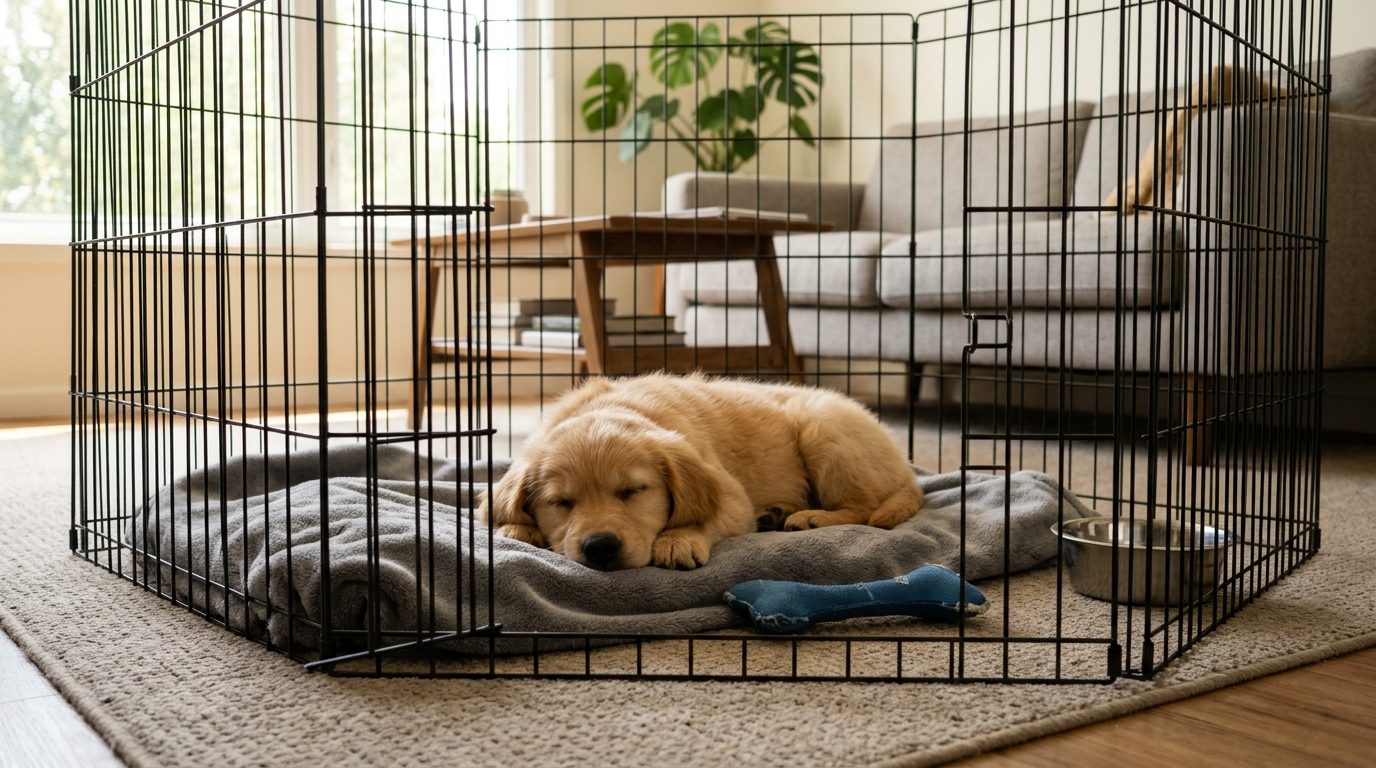
Navigating potty training puppy regression requires patience, as punishing accidents only damages trust rather than restoring clean indoor manners. Returning to structured supervision and using a playpen or crate during unattended hours prevents mistakes while brain development catches up.
Hormonal Shifts Around Six Months of Age
During canine adolescence, which typically begins around six months of age, hormonal shifts can prompt new territorial and scent-marking behaviors in young dogs. Both male and female adolescents may begin depositing small amounts of urine against vertical surfaces or distinct household objects to leave their individual scent markers.
Marking behavior is distinct from full bladder voiding and requires swift intervention through close supervision and enzyme cleaning. Keeping your adolescent dog tethered to you prevents stealth marking and lets you guide them outside to mark appropriate outdoor spots like fence posts or trees.
Ruling Out Medical Causes with Your Veterinarian
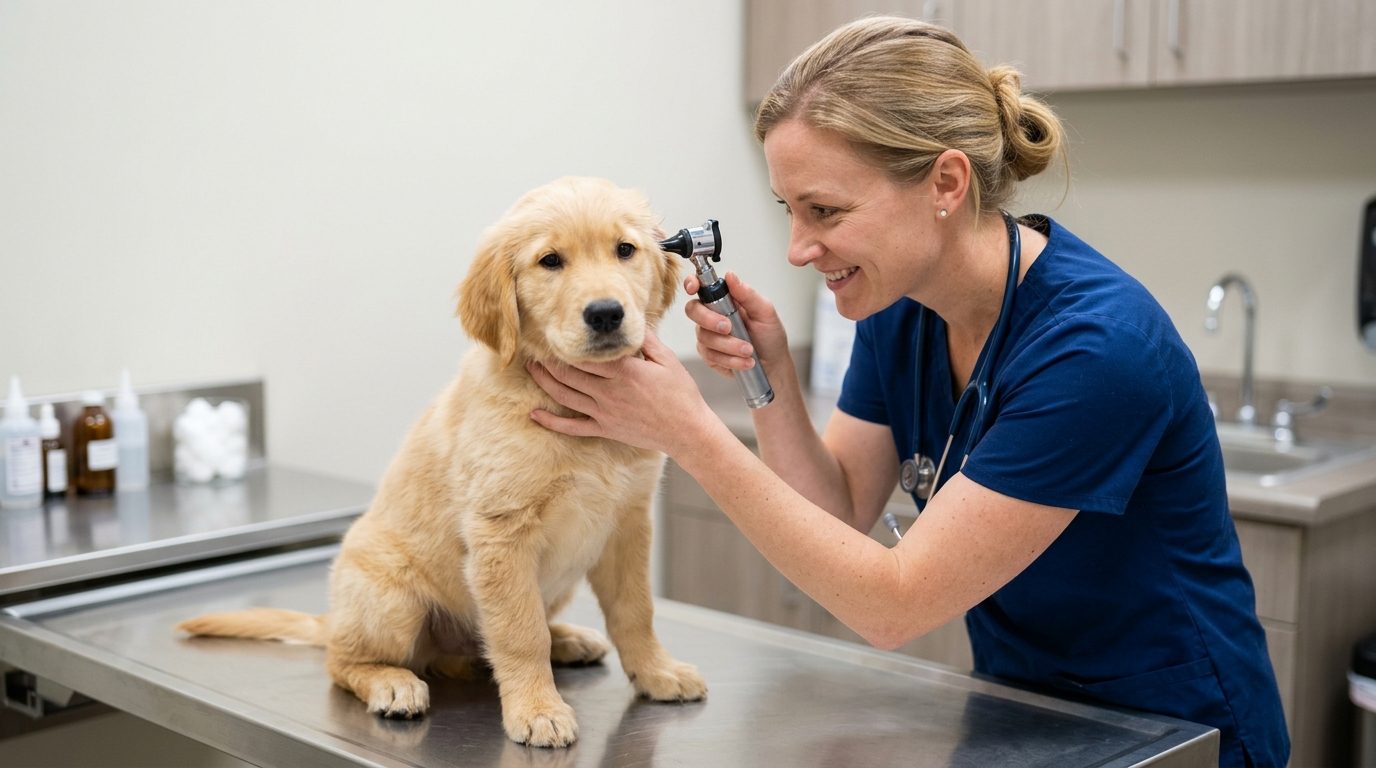
Before assuming that sudden accidents are purely behavioral or developmental, you must rule out potential medical conditions with your veterinarian. A previously housebroken dog that suddenly begins leaking urine, straining, or having frequent small accidents may be suffering from an underlying physical ailment.
A urinary tract infection can cause unexpected indoor accidents in puppies. Guidance from the American Kennel Club housebreaking troubleshooting resources advises scheduling a veterinary visit if indoor accidents persist despite consistent training.
Never attempt to diagnose or treat potential medical problems yourself with over-the-counter remedies or altered water intake. Your veterinarian can analyze a fresh urine sample to identify bacteria, crystals, or inflammation and prescribe targeted medications to restore your pet’s physical comfort.
Watching for Urinary Tract Discomfort or Changes
Watch for physical warning signs of urinary discomfort, including licking the genital area excessively, whining or straining during urination, cloudy or discolored urine, or voiding minuscule drops every few minutes. If your dog exhibits any of these physical symptoms, medical care must take precedence over behavioral training.
Once medical issues are treated and resolved under veterinary care, physical comfort returns quickly. You can then resume your structured house training routine with a clean bill of health.
Re-Establishing Strict Supervision and Management
Fixing house training regression requires temporarily resetting your management back to the strict standards used during your pet’s first week at home. If you gave your dog free run of the house, immediately scale back their territory to one or two closely monitored rooms. Freedom is a privilege earned through reliable performance, not a permanent entitlement.
When you cannot supervise your adolescent dog directly, place them in a comfortable crate or enclosed playpen. If your pet is in the room with you, attach a lightweight leash to your belt so they cannot wander out of sight. Restricting independent wandering stops indoor mistakes before they occur.
Revisit our foundational guidance in how to potty train a puppy to review essential indoor confinement techniques. Re-establishing environmental control gives you the upper hand in rebuilding consistent habits.
Cleaning Old Scent Traces to Prevent Repeat Elimination
Whenever an indoor accident occurs during a setback, lingering scent molecules can chemically prompt your dog to soil the exact same spot in the future. Dogs possess olfactory senses thousands of times more sensitive than humans, allowing them to detect microscopic urine traces long after household sprays have dried.
Because lingering urine odor serves as a cue for dogs to reuse a location, guidance from VCA Animal Hospitals house training protocols advises cleaning accident spots thoroughly with an enzymatic cleaner.
Saturate any accident area thoroughly with an enzymatic cleaner, ensuring the solution penetrates deep into carpet backing and padding where urine pools. Allow the area to air-dry completely while keeping pets away from the damp spot. Completely neutralizing past scent cues removes the chemical triggers for repeat accidents and keeps your recovery plan on track.
Frequently Asked Questions
Why is my previously housebroken dog having accidents again?
Housebreaking setbacks typically arise from a combination of adolescent brain development, expanded indoor freedom, routine disruptions, or subtle medical issues like urinary tract infections. As young dogs transition into canine adolescence, expanding curiosity and hormonal changes often compete with previously learned habits, requiring a temporary reset in management.
At what ages do developmental housebreaking setbacks occur?
Regression commonly occurs as young dogs enter canine adolescence around six months of age. During this developmental period, boundary testing, teething discomfort, and hormonal shifts can temporarily disrupt focus and impulse control until consistent management restores steady habits.
Should I punish an older puppy when an accident happens?
No, you should never punish, yell at, or physically reprimand a dog for an indoor accident. Punishment teaches dogs to fear human presence and prompts them to eliminate secretly in hidden corners or behind furniture. Instead, calmly clean the spot with an enzymatic cleaner and tighten supervision.
When should I consult a veterinarian regarding sudden accidents?
You should consult your veterinarian immediately if a previously reliable dog experiences sudden frequent accidents, strains to urinate, passes discolored urine, or licks their genital area frequently. Ruling out urinary tract infections and medical conditions ensures your pet is physically comfortable before addressing behavioral habits.