Following a realistic puppy potty training timeline helps new pet owners navigate early housebreaking stages with patience, clarity, and consistency. Young dogs experience rapid physiological development during their first months, yet their developing bodies require time to build muscular control over bladder and bowel functions. Establishing a structured routine aligned with developmental growth ensures your young pet masters clean indoor living habits naturally.
Housebreaking is fundamentally an exercise in biological management, clear communication, and positive reinforcement. When families understand realistic physical capabilities at each age milestone, frustrating accidents decrease dramatically. By pairing proactive outdoor bathroom trips with patient observation, you establish reliable lifelong bathroom habits that respect your dog’s natural developmental pacing.
Before expecting complete reliability indoors, pet owners must recognize that bladder maturation unfolds gradually across several developmental phases. Consistency with a predictable daily puppy training schedule anchors every successful housebreaking journey, giving your companion confidence and security throughout each learning phase.
Developmental Stages and Bladder Control Milestones
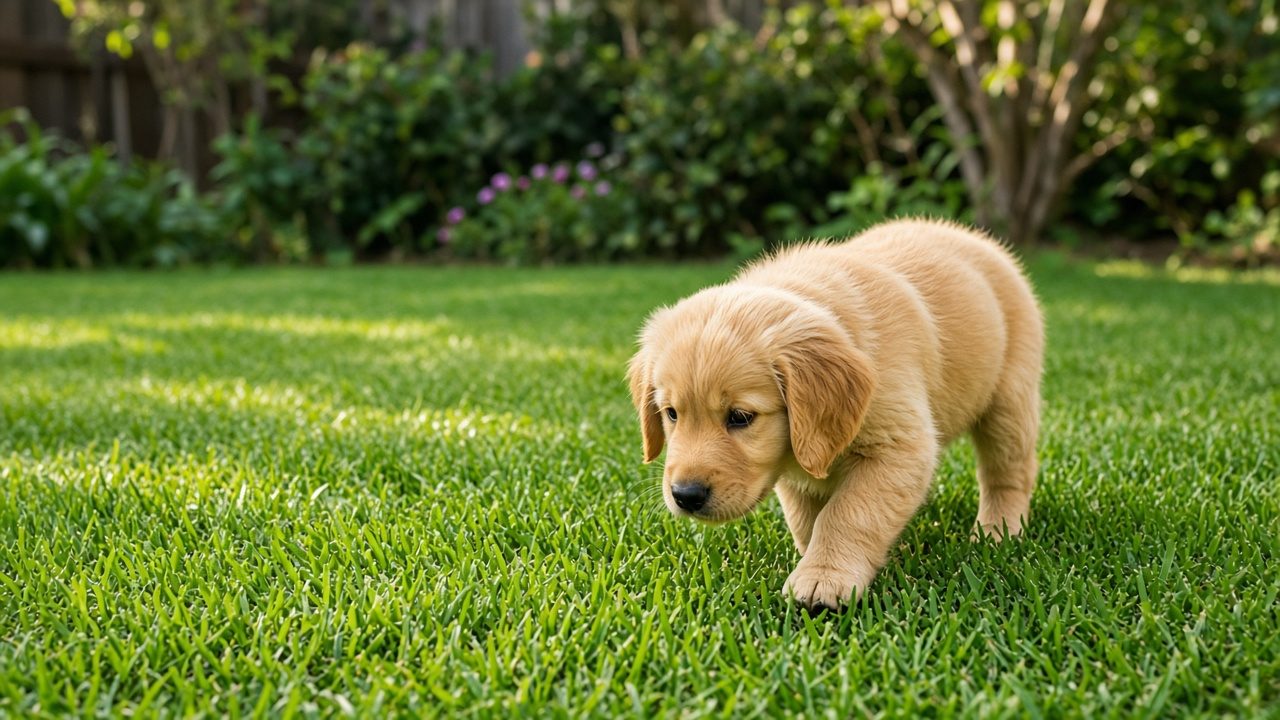
During early puppyhood, physical development dictates how long a young dog can comfortably retain urine. At eight weeks of age, the urinary tract and external sphincter muscles are still immature. Young puppies possess minimal conscious control over the urge to eliminate, meaning that once sensation registers, elimination follows almost immediately.
As puppies mature into adolescence, muscular capacity expands steadily alongside neurological communication between the brain and bladder. The American Kennel Club housebreaking guide notes that puppies should learn to eliminate outdoors and warns that puppy pads can slow the transition to outdoor elimination. Establishing dedicated outdoor elimination spots early provides clear environmental cues that accelerate comprehension.
Veterinary professionals note that individual growth rates vary depending on breed size, overall health, and hydration patterns. If you ever notice sudden urinary urgency, straining, or discomfort, consult your veterinarian promptly to rule out underlying medical issues such as urinary tract infections.
Physical Bladder Maturation in Young Puppies
Young puppies develop bladder control at individual rates rather than on a rigid timeline. According to the AKC, a puppy may signal a need to eliminate by whining, scratching, or restlessness, though biological needs can trigger sudden release right after waking or active play.
Around four months of age, voluntary control strengthens significantly. Puppies begin recognizing internal sensations earlier, allowing brief moments to seek an exit or exhibit pre-elimination behaviors. Caregivers who maintain continuous supervision during this window capture vital opportunities to reward outdoor elimination instantly.
Key Signs Your Dog Needs to Eliminate
Recognizing subtle behavioral cues helps prevent household accidents before they occur. Common pre-elimination signals include sudden sniffing of the floor, abrupt cessation of play, circling in place, or wandering toward doorways. Whining, sudden restlessness, or pacing away from social areas also signal an impending bathroom need.
When you observe any of these warning signs, immediately guide your companion outdoors to their designated elimination area without reprimand. Calmly walking them to the chosen spot encourages immediate focus on relieving themselves rather than engaging in exploratory play.
Housebreaking Progress by Growth Stage

Housebreaking expectations must adapt to your dog’s changing age and cognitive growth. Understanding the realistic progress expected across specific age brackets keeps expectations fair and reduces unnecessary caregiver frustration. Each growth phase presents unique opportunities for habit formation and gentle boundaries.
Caregivers frequently ask: potty training puppy how long does it take to achieve dependable reliability across the entire home? For most domestic dogs, achieving reliable house manners requires several months of diligent management. According to the Ohio State University Indoor Pet Initiative on housetraining, puppies need outdoor trips after eating, naps, strenuous play, or any change of activity, focusing on rewarding elimination in the right spot and preventing mistakes.
Reviewing our detailed guide on how to potty train a puppy provides step-by-step techniques for managing indoor freedom during these sensitive early stages.
Early Eight to Twelve Week Expectations
Between eight and twelve weeks of age, close supervision is essential around the clock. Puppies require frequent trips outside, especially immediately upon waking, after eating or drinking, and following play sessions. Accidents during this stage reflect natural physiological limits rather than willful stubbornness.
Patience during this period pays immense dividends later. By taking your dog out proactively every one to two hours while awake, you create repeated positive reinforcement associations with grass or designated outdoor substrates. Immediate praise and small food rewards given right at the moment of elimination build strong neural connections.
Four to Six Month Habit Solidification
While the timeline varies from days to several months depending on the individual dog, many puppies demonstrate improving control and begin actively signaling when they need to go outside. Bladder volume has increased, and muscle tone allows greater retention during daytime naps and overnight rest periods. However, broad household freedom should remain restricted until several consecutive accident-free weeks occur.
Even well-trained juveniles experience occasional lapses during exciting playdates, unfamiliar environments, or schedule changes. Maintaining established habits through structured schedules ensures adolescent hormonal shifts do not derail established cleanliness.
Core Daily Routines and Outdoor Consistency
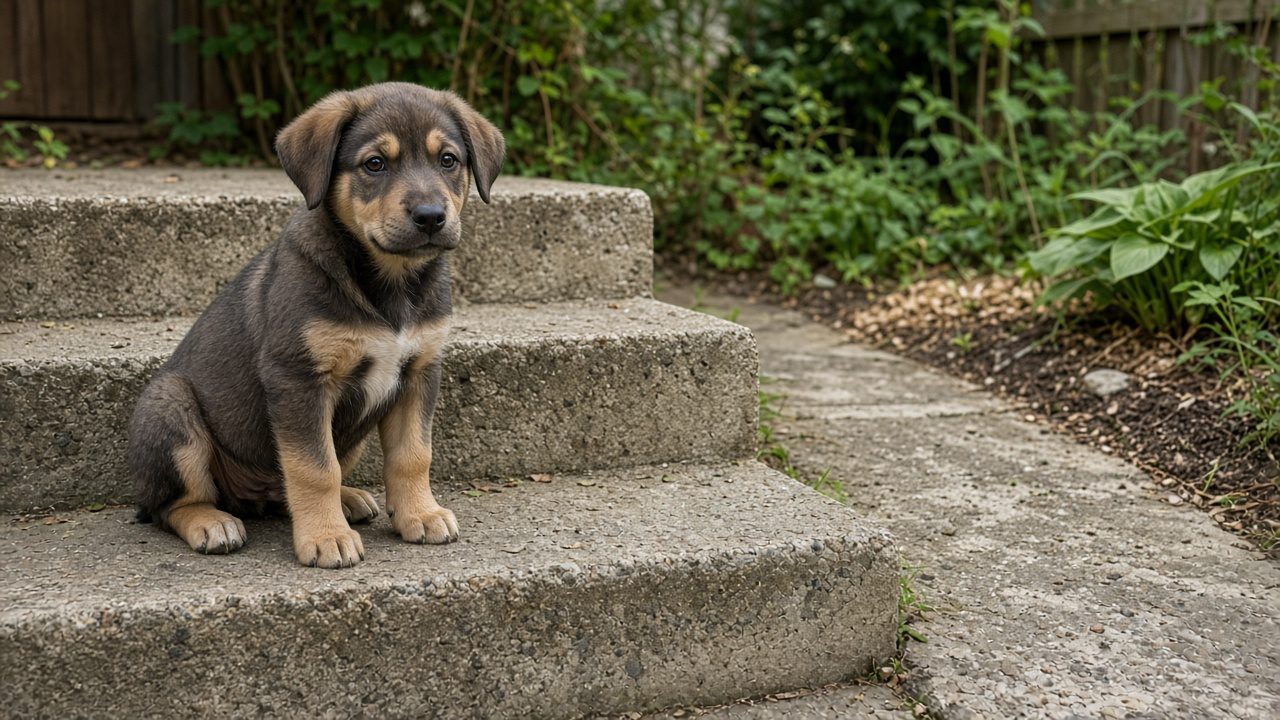
A consistent daily rhythm establishes predictable biological digestion and elimination cycles. Feeding meals at identical hours each morning and evening encourages digestive motility at predictable times. Regular hydration, followed by prompt outdoor excursions, allows pet parents to anticipate elimination needs with remarkable precision.
When taking your companion outside, keep initial interactions calm and businesslike. Walk directly to the chosen elimination zone on a short leash, stand quietly, and give your companion a few minutes to sniff and relieve themselves. Once elimination occurs, deliver enthusiastic verbal praise and a high-value treat immediately within two seconds.
Integrating these daily patterns into a structured puppy potty training schedule helps household members coordinate responsibilities seamlessly, ensuring no bathroom windows are missed throughout busy days.
Developmental Timeline and Milestone Chart
To visualize developmental expectations across different age brackets, refer to the milestone chart below. Tracking your pet’s development against these standard guidelines helps you evaluate progress realistically.
| Age Bracket | Bladder Control Level | Recommended Daytime Outdoor Frequency | Expected Milestone Achievement |
|---|---|---|---|
| 8 to 11 Weeks | Minimal voluntary control; immediate release upon sensation | Every 1 to 2 hours while awake, plus post-meal and post-nap trips | Learning designated outdoor bathroom spot and accepting leash guidance |
| 12 to 15 Weeks | Emerging control; begins demonstrating subtle pre-elimination signs | Every 2 to 3 hours during active daytime hours | Noticeable decrease in indoor accidents; begins signaling near exit doors |
| 16 to 20 Weeks | Moderate control; capable of brief retention when resting calmly | Every 3 to 4 hours during daytime wake periods | Consistent outdoor preference forming; hold time averages about one hour per month of age |
| 5 to 6 Months | Strong muscle control; reliable signaling for outdoor access | Every 4 to 5 hours during routine daytime activities | Near-total reliability within primary living areas under normal routines |
| 7+ Months | Mature control; dependable house manners throughout entire home | Roughly one hour per month of age, or about every four hours when possible (OSU) | Fully established house manners and durable lifelong indoor reliability |
Every companion develops along an individual trajectory influenced by breed physiology, previous environmental conditioning, and household consistency. Celebrating incremental weekly milestones maintains motivation during challenging phases.
Managing Common Regressions and Teething Lapses
It is entirely normal for young dogs to experience brief setbacks along their growth curve. Around five to seven months of age, adolescent development, teething discomfort, and increased territorial awareness can temporarily disrupt focus. A sudden recurrence of indoor accidents after weeks of success does not indicate training failure.
When regression occurs, temporarily tighten management by increasing outdoor frequency and restricting unsupervised roaming. Cleaning indoor accidents thoroughly with enzymatic neutralizers eliminates lingering scent markers that tempt repeat marking. Never punish a dog for an indoor accident, as punitive reactions only create fear and prompt secretive elimination behind furniture.
By reviewing your puppy potty training timeline and returning to fundamental management principles for two weeks, your companion quickly regains confidence and returns to clean indoor habits. For persistent elimination changes or sudden incontinence, always consult your veterinarian to evaluate urinary health.
Frequently Asked Questions
Potty training puppy how long does it take for most homes?
According to the AKC, housebreaking timelines vary widely by individual dog, ranging from within days to several months of consistent guidance. Complete trustworthiness throughout the entire home often solidifies around six to eight months of age. Pacing depends heavily on supervision diligence, predictable routines, and positive reinforcement.
What is the best potty train puppy age to begin structured training?
Structured housebreaking should begin the very day your companion arrives home, typically around eight weeks of age. Early habituation introduces designated outdoor bathroom spots and positive reward associations during optimal socialization periods. Young puppies absorb routines quickly when guidance remains calm and predictable.
Why do some young dogs regress around four months?
Temporary setbacks during housebreaking frequently occur when caregivers relax supervision prematurely or when household routines change. When caregivers assume house manners are fully learned, relaxed supervision allows unnoticed mistakes to occur. Returning to structured supervision promptly resolves temporary lapses.
How do crate training routines support this milestone timeline?
Crate training leverages a canine’s instinct to keep sleeping quarters clean, though puppies should never be crated longer than their age-based hold limit. Appropriately sized enclosures prevent wandering and accidents during unsupervised moments throughout the day and night. Pairing den confinement with immediate outdoor trips establishes clear bathroom expectations.