Navigating potty training difficult puppy challenges requires stepping back to analyze management lapses, health factors, and communication breakdowns before frustration sets in. Resetting strict supervision, tightening crate routines, and rewarding outdoor success with high-value treats can turn around even the most persistent housebreaking struggles. When routine methods appear ineffective, a methodical diagnostic approach reveals the hidden roadblocks preventing household cleanliness.
Guardians often mistakenly label a dog as stubborn or untrainable when housebreaking stalls. In most cases, recurring house accidents stem from incomplete training, premature household freedom, inconsistent supervision, or residual odors from previous messes. Addressing these root factors systematically restores confidence for both you and your canine companion.
Aligning your efforts with a structured puppy training schedule provides the rigorous framework necessary for challenging learners. If your companion previously mastered housebreaking before relapsing, consult our targeted troubleshooting guide on potty training puppy regression, and consider revisiting core crate techniques detailed in crate potty training a puppy.
Guidance from the American Kennel Club explains that recurring house accidents usually stem from incomplete training or too much freedom too soon, and notes that a veterinary consultation is warranted if accidents continue.
Ruling Out Medical Complications and Urinary Discomfort
When to Consult Your Veterinarian for Diagnostic Tests
Before assuming a behavioral roadblock, schedule a comprehensive veterinary evaluation. Medical ailments frequently cause involuntary urination or an increased urge to eliminate. Conditions such as urinary tract infections and bladder stones increase urination urgency and frequency, while intestinal parasites can cause urgent, loose stools.
If you observe frequent urination in tiny droplets, straining, painful vocalization while eliminating, cloudy or bloody urine, or excessive licking of the genital area, talk to your veterinarian immediately. Resolving an underlying medical issue relieves physical discomfort, though consistent training and patient management are still needed to establish clean habits.
Your veterinarian can examine your puppy to determine whether physical factors or urinary discomfort are contributing to housebreaking setbacks.
Certain medications or dietary sensitivities can also increase thirst and urination frequency. Discuss all foods, treats, and supplements with your clinical veterinary team during your evaluation.
Resources from The Ohio State University Indoor Pet Initiative observe that eliminating in a crate after short periods can indicate confinement or separation anxiety rather than simple housebreaking failure.
Intestinal parasites such as giardia or roundworms can cause urgent, loose stools that prevent puppies from reaching the door in time. If you suspect digestive distress, talk to your veterinarian for guidance.
Auditing Indoor Management and Supervision Lapses for Puppies
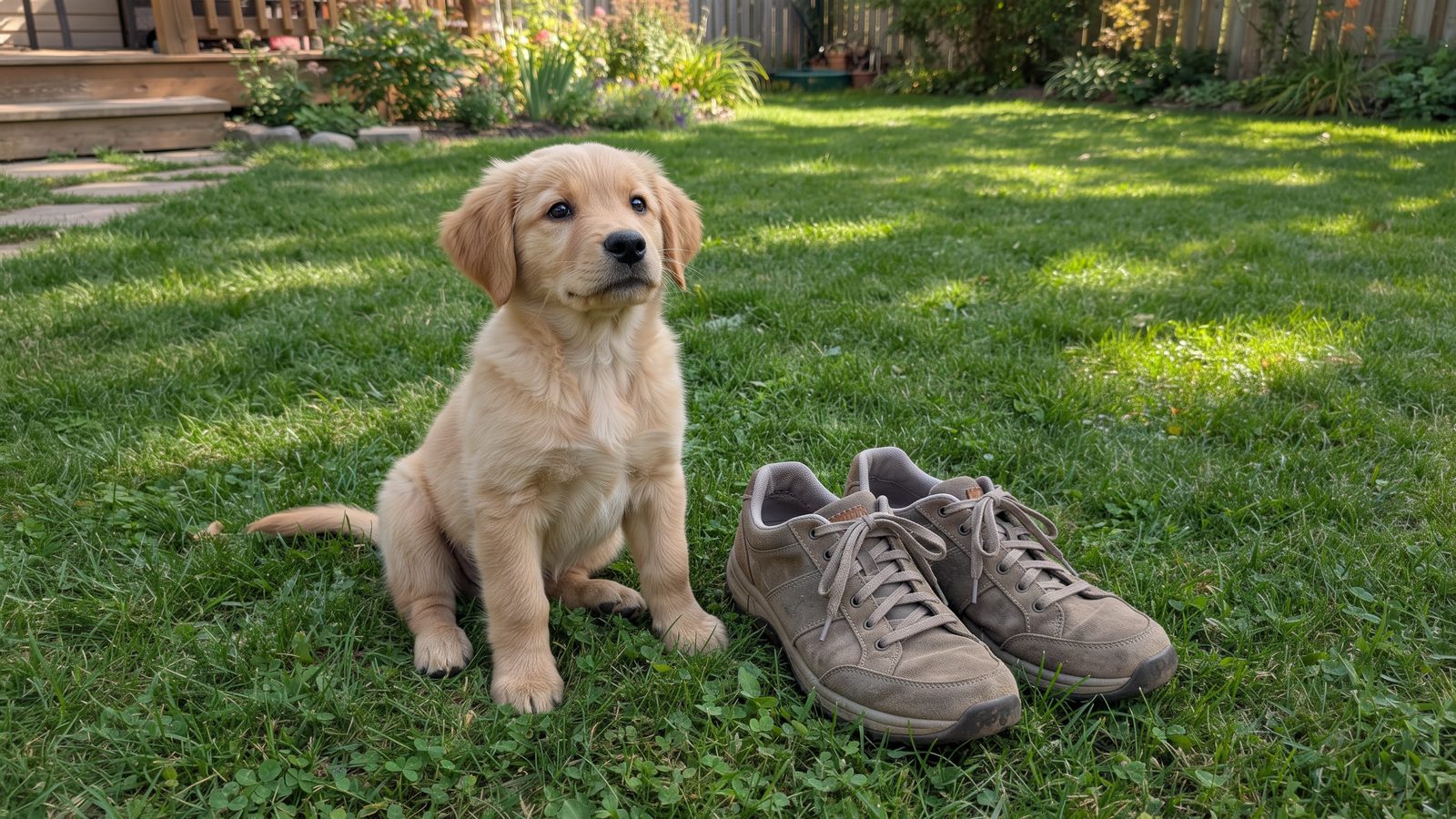
Carefully evaluating how much unmonitored freedom your dog enjoys indoors often uncovers the true cause of house soiling. Keeping your puppy tethered to your belt or confined in an exercise pen whenever you cannot offer direct eyesight supervision prevents accidents before they occur.
Resetting Crate Confinement and Potty Rest Protocols
Adjusting Enclosure Sizing to Prevent Indoor Accidents
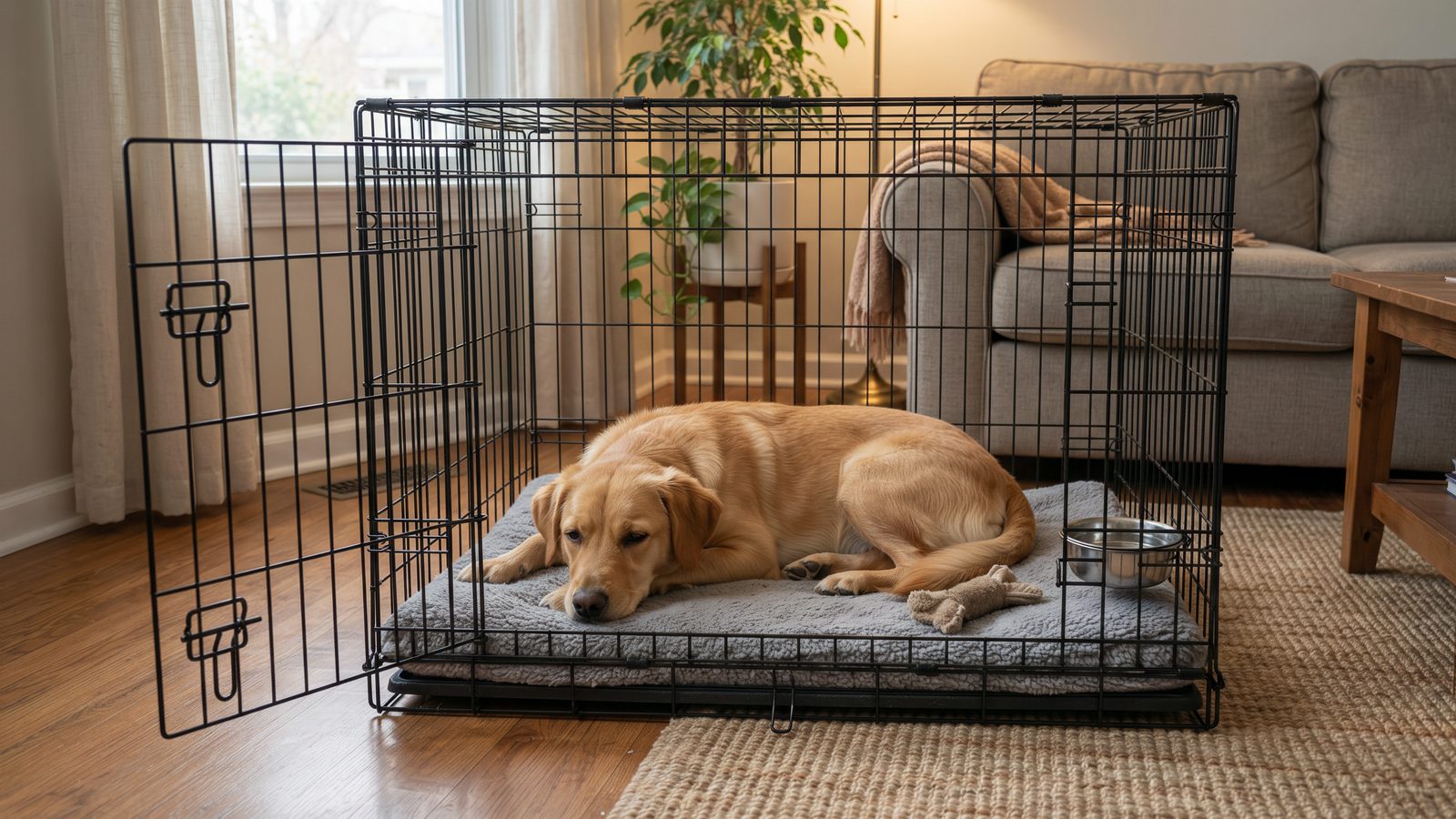
Crate training relies on a canine’s instinct to keep their sleeping quarters clean. However, if an enclosure is too large, a difficult puppy will eliminate in one corner and sleep soundly in the opposite corner. Install a divider panel so the space allows your dog only enough room to stand, turn, and lie down comfortably.
Remove absorbent plush bedding if your dog repeatedly urinates on blankets, as some puppies treat soft padding like grass or pee pads. If a puppy continues eliminating in a correctly sized enclosure, consult your veterinarian or a canine behaviorist to assess potential anxiety.
Place the crate in a peaceful, temperature-controlled room away from chaotic foot traffic. A restful environment prevents stress-induced pacing and excessive whining that can interfere with bladder settling.
Establish a strict crate-to-outside transition routine. Carry or leash your dog directly from the crate to the outdoor bathroom spot without allowing paws to touch the kitchen floor, where accidents frequently occur.
Ensure crate confinement remains a peaceful, positive experience. Never use the enclosure as punishment for an accident, which creates negative associations and elevates stress-induced elimination.
Feed daily meals inside the enclosure with the door open to reinforce positive associations with the sleeping space. Dogs are biologically resistant to eliminating where they regularly consume food.
Eliminating Lingering Scent Triggers with Enzymatic Cleaners
Canine olfactory capabilities are far more sensitive than human scent detection. Traditional household cleaners containing ammonia or bleach clean surfaces visually, but their strong scent can draw dogs back to the same spot.
Thoroughly saturate every previous accident area with a specialized enzymatic cleaner. Enzymatic solutions contain beneficial bacteria that consume organic waste proteins, permanently neutralizing scent markers. Inspect carpets and baseboards with an ultraviolet blacklight to uncover forgotten spots that require deep enzymatic saturation.
Allow the enzymatic solution to air-dry naturally over several hours or overnight. Covering the treated area with an inverted laundry basket prevents your dog from walking across wet carpet while the enzymes actively digest chemical residues.
Veterinary guidance from VCA Animal Hospitals emphasizes that thorough cleanup with an enzymatic cleaner is crucial to prevent pets from re-soiling previously contaminated indoor areas.
Avoid steam cleaning carpeted areas until enzymatic treatment has thoroughly broken down organic waste, as high heat can set lingering odors into carpet fibers.
Consistent re-application on deeply soaked carpets ensures that enzymes penetrate all the way through padding to subflooring materials. Taking time to treat underlying layers prevents lingering odors that could trigger future accidents.
Upgrading Reward Value and Training Reinforcement Timing
Selecting High-Value Meat Rewards for Difficult Learners
Standard dry kibble often lacks the motivational power needed to break established indoor habits. Elevate the incentive by reserving irresistible high-value treats exclusively for outdoor bathroom success. Tiny slivers of warm roasted chicken, freeze-dried liver, or small bites of plain meat treats create powerful positive associations.
Deliver the reward immediately outside at the exact moment elimination concludes. Waiting until your companion runs back inside the house rewards entering the building, leaving the outdoor elimination action unrewarded.
Pair food rewards with warm, gentle praise rather than loud shrieking celebrations. Overly excited yelling can startle sensitive puppies, causing them to interrupt their elimination before their bladder is completely emptied.
Maintain an encouraging, calm attitude throughout the training process. Punishing a difficult puppy for accidents breeds fear and causes them to hide when eliminating. Resolving potty training difficult puppy struggles takes steady patience and rigorous consistency, but returning to structured management always restores clean household harmony.
Remain patient through temporary setbacks. Canine emotional maturity develops gradually, and persistent dedication to structured habits invariably produces reliable house manners over time.
Frequently Asked Questions
Why is my young dog still having frequent indoor accidents?
Frequent accidents typically stem from excessive unsupervised freedom, undetected medical issues such as urinary tract infections, improper crate sizing, or lingering scent marks on carpets. Auditing these factors and resetting strict management quickly corrects the issue.
Can a urinary tract infection cause stubborn housebreaking setbacks?
Yes, urinary tract infections and bladder stones can increase urination urgency and frequency, while intestinal parasites cause urgent loose stools. Talk to your veterinarian to rule out underlying medical issues before adjusting your training plan.
How should you respond to an accidental mess on the floor?
Never scold, yell, or punish a puppy for an indoor mess. Calmly clean the area thoroughly with an enzymatic cleaner to destroy scent markers, and tighten your indoor supervision schedule to prevent future occurrences.
When should an owner consider consulting a professional trainer?
Consider consulting a certified trainer or veterinary behaviorist if accidents persist despite strict supervision, medical clearance, and enzymatic cleaning. Professional guidance helps identify subtle environmental triggers and tailor a plan for your home.