Mastering potty training small breed puppies requires understanding that tiny companions possess miniature bladders and rapid metabolic rates that demand frequent bathroom breaks. Because toy dogs eliminate in small amounts that easily go unnoticed behind furniture, consistent supervision and structured routines are essential from day one. By learning their physiological needs, keeping them confined to manageable areas, and reinforcing outdoor elimination promptly, you can housebreak your small companion cleanly and smoothly.
Many new owners underestimate how quickly a diminutive body processes liquid and food. Young puppies can typically hold their urine for roughly one hour per month of age, meaning expecting small puppies to wait several hours without an accident is unrealistic. When owners expect toy breeds to match the elimination intervals of larger puppies, frustration inevitably follows. Recognizing that physical size dictates bathroom frequency changes your entire approach to household management.
Following a structured puppy training schedule provides the dependable framework needed during these early weeks. When you anticipate physical bathroom needs before urgency strikes, you prevent accidents before they occur. Rather than discovering wet spots after the fact, proactive management ensures your puppy builds clean bathroom habits outdoors from their very first week at home.
Guidance from the American Kennel Club notes that very young puppies and toy breeds often do best with an outdoor break roughly every hour. In addition, clinical housetraining resources from the Ohio State University College of Veterinary Medicine recommend establishing predictable daily routines while avoiding punishment for indoor accidents.
Unique Bladder Physiology in Miniature Breeds
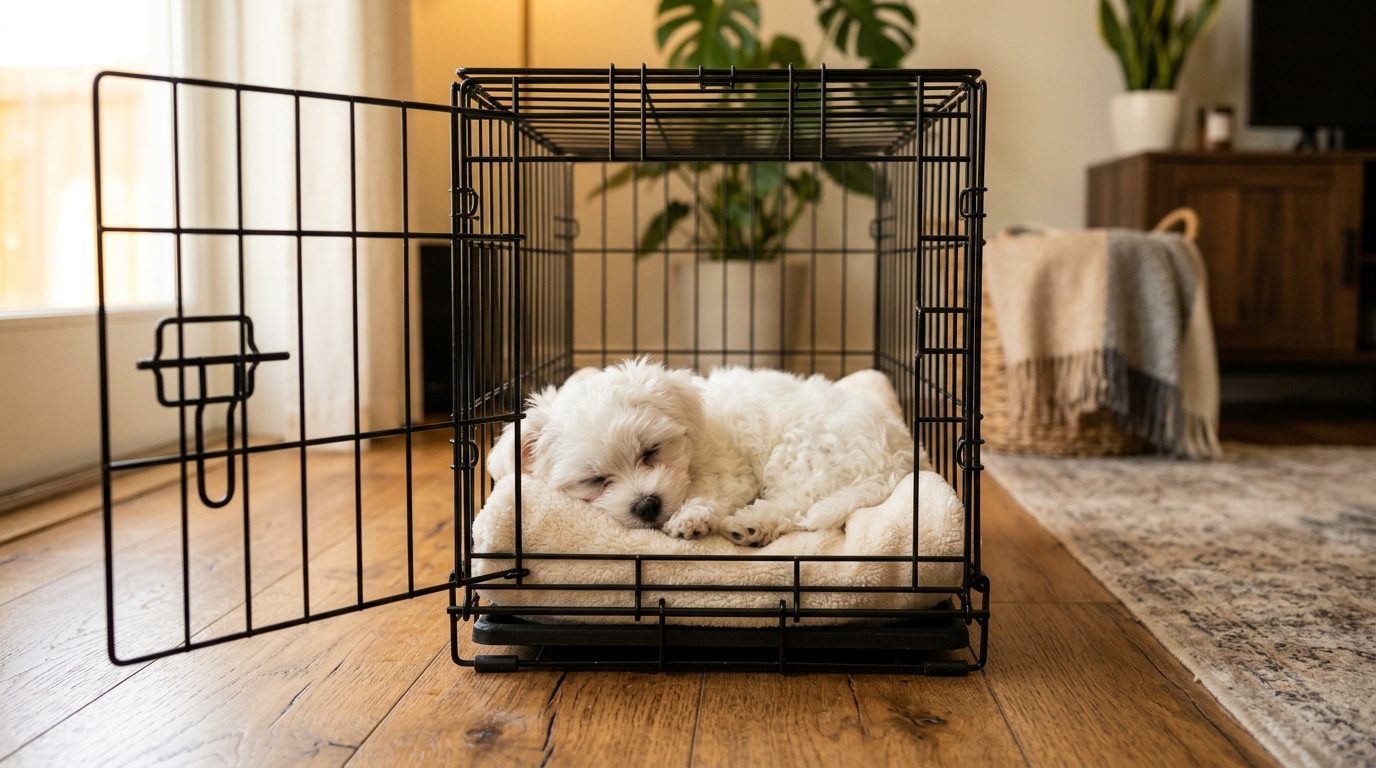
Tiny Bladders and High Metabolic Rates
The internal organs of miniature dogs process water and nutrients quickly. Because small dogs have a higher metabolic rate than larger breeds, they process liquids rapidly throughout waking hours. Expecting a miniature pet to hold their bladder for multiple hours sets them up for failure.
Physical size also influences how puppies perceive their living quarters. To an eight-week-old toy breed, a standard living room feels like a vast park. Canine instincts naturally urge dogs to avoid soiling their immediate bed, but a large rug feels far enough from their sleeping mat to seem like a suitable toilet zone. Confining small dogs to compact spaces preserves their natural instinct to keep their immediate surroundings clean.
Hidden Accidents and Supervision Challenges
Another major challenge with miniature companions is that their accidents are physically tiny. A large breed puppy leaves an obvious puddle that alerts owners immediately, prompting instant schedule adjustments. Conversely, a miniature puppy leaves a puddle the size of a coin, easily tucked away behind a couch or under an armchair. By the time an owner discovers the dried scent, the puppy has already established an indoor elimination preference.
To prevent undetected bathroom habits from taking hold, pet parents must maintain continuous supervision during all loose indoor time. If you cannot watch your puppy with undivided attention, settle them safely inside a comfortable exercise pen or crate. Using umbilical leash training, where the puppy is clipped to your belt with a lightweight lead, ensures your small pet remains within arm’s reach where subtle pre-potty signals like sniffing and circling are instantly spotted.
Right-Sized Crates and Confined Training Spaces
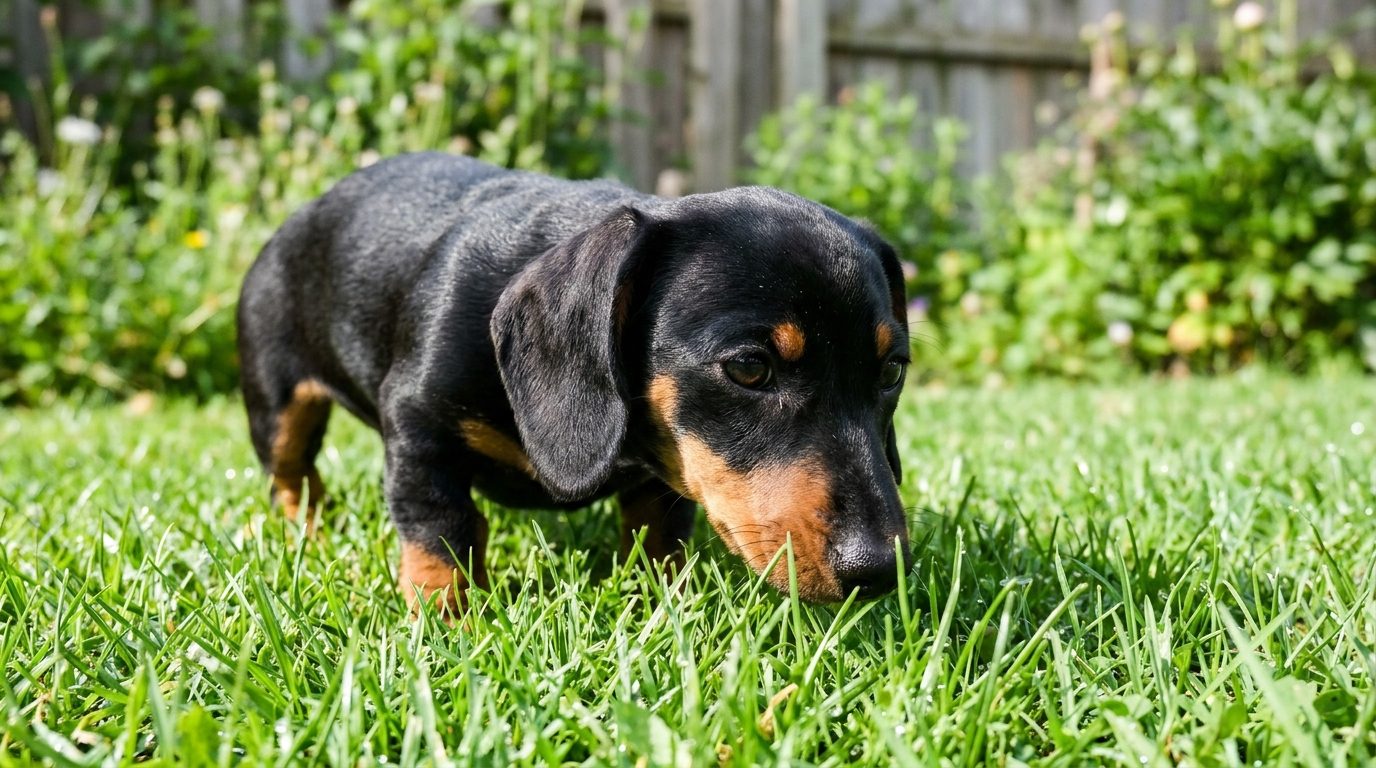
Selecting Toy Breed Crate Dimensions
Using a properly proportioned enclosure is critical when managing miniature dogs. If an enclosure is too large, a small pet will simply relieve themselves in one corner and curl up comfortably to nap on the dry opposite side. The interior space should provide just enough room for the dog to stand up, turn around easily, and stretch out flat on their side.
Many commercial dog crates are designed for medium animals, featuring wire spacing that allows a small puppy to slip through or get their paws trapped. Choose specialized crates manufactured specifically for toy breeds, or install wire mesh barriers along the panels to ensure safety. For deeper insights on utilizing den instincts effectively, explore our complete guide on crate potty training a puppy to establish safe boundaries.
According to veterinary recommendations from VCA Animal Hospitals, crates should never be used as a place of punishment, and puppies should be taken outside immediately after waking. Escorting your young companion outside right away reinforces the vital habit that waking up leads directly to outdoor relief.
Breed-Specific Strategies for Popular Small Dogs
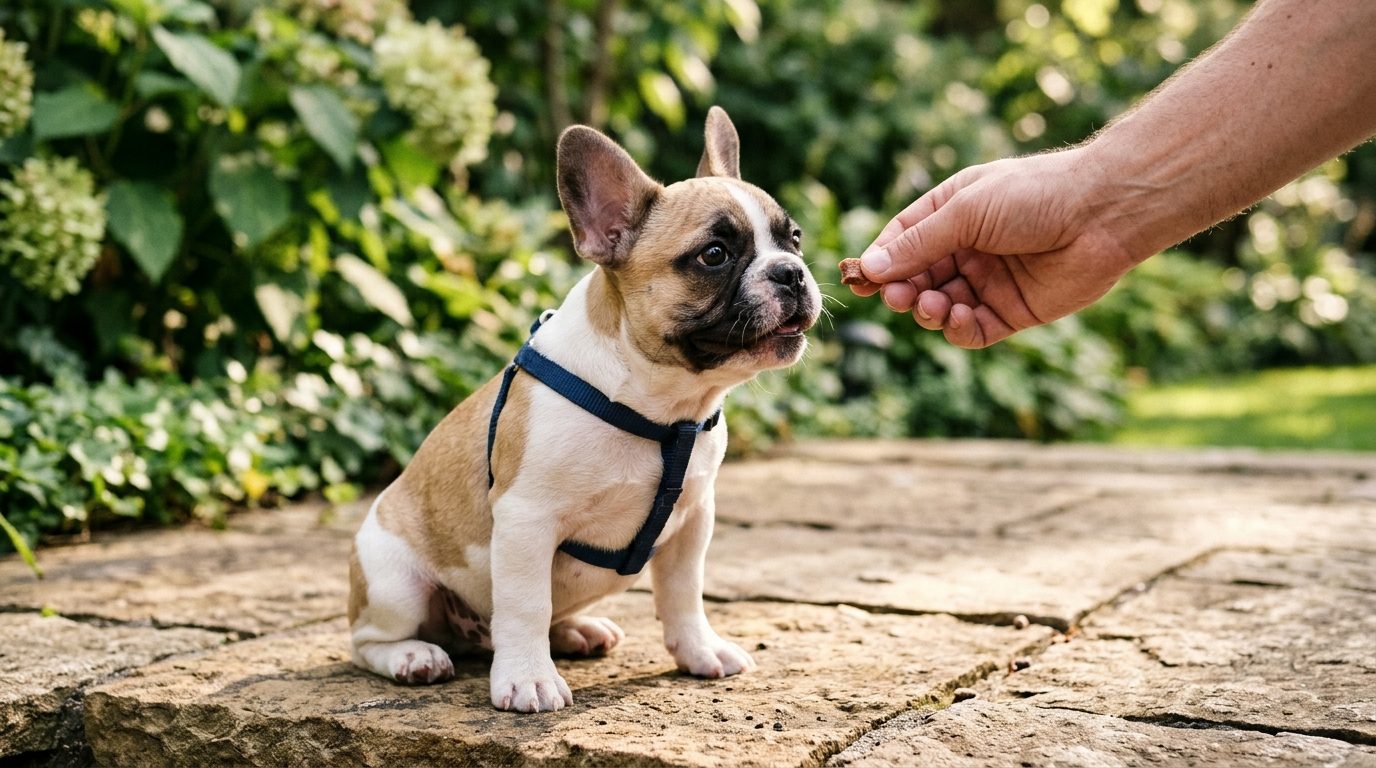
Coated Breeds and Weather Sensitivity
Different small breeds bring unique temperaments and physical traits to the housebreaking journey. Long-coated breeds such as Yorkies, Shih Tzus, and Pomeranians often exhibit acute sensitivity to wet grass, morning dew, and cold ground temperatures. When taken outside into damp grass, these low-slung dogs feel cold water soaking their belly fur, which makes them reluctant to relax and eliminate.
If you need to potty train shih tzu puppy companions or potty train yorkie puppy pets during rainy seasons, create a sheltered outdoor elimination area. Setting up a canopy, clearing a dry patch of gravel, or providing a designated outdoor mat prevents their fur from getting drenched. Similarly, when working to potty train dachshund puppy litters or potty training puppy chihuahua companions, short coats and delicate paws make warm puppy sweaters essential during brisk weather.
Brachycephalic breeds require special consideration during warm weather. When you potty train french bulldog puppy companions or potty train pug puppy companions, avoid lengthy outdoor sessions during high summer heat. These flat-faced dogs overheat rapidly, meaning outdoor bathroom trips should remain brief, focused, and calm. Owners working to potty train maltese puppy pets, potty train corgi puppy dogs, or manage a potty training maltipoo puppy will find that consistent temperature management keeps bathroom breaks productive.
Establishing Predictable Outdoor Elimination Routines
Immediate Rewards on the Grass
Building clean habits requires rewarding the puppy at the exact moment elimination occurs. Do not wait until you walk back inside the home to give praise or treats. Keep small, soft treats in your pocket, and the split second your pet finishes urinating on the grass, offer enthusiastic verbal praise and a tasty treat right there outside. Immediate reinforcement helps your dog connect outdoor grass with positive rewards.
When implementing potty training small breed puppies routines at home, consistency in timing and immediate praise will turn frequent trips into reliable habits. Maintain a quiet environment while your pet searches for their bathroom spot. Avoid playing games, throwing balls, or allowing excessive distractions until the business is finished. Consulting a detailed puppy potty training schedule helps you plan these outdoor breaks around meals, naps, and energetic play sessions.
If an indoor accident occurs, clean the area thoroughly with an enzymatic cleaner designed to eliminate organic proteins. Standard household detergents mask smells to human noses, but canine scent receptors still detect residual ammonia, drawing the puppy back to repeat the mistake. Never scold or rub a puppy’s nose in waste, as Ohio State University notes punishment creates fear and causes dogs to avoid eliminating around their owners.
Managing Housetraining Setbacks and Indoor Options
Combining Outdoor Trips with Indoor Stations
For city dwellers or people living in extreme climates, integrating indoor relief stations can provide practical backup. Learning the fundamentals of potty training puppy with pads offers a clean solution for apartment living where dashing down multiple flights of stairs within seconds is impossible. An indoor potty tray placed in an exercise pen gives a tiny puppy an approved place to go when outdoor access is delayed.
However, if your primary goal is exclusive outdoor elimination, rely primarily on outdoor visits. Transitioning from pads to outdoor grass requires gradual pad relocation toward exterior doors. By keeping supervision tight, sticking to predictable schedules, and celebrating outdoor successes, your small companion will develop reliable lifelong housebreaking manners.
Remember that patience is your greatest ally when working with toy breeds. While their diminutive physical size requires extra vigilance during the first several months, consistent guidance produces clean, trustworthy house manners that endure for the rest of your pet’s life.
Frequently Asked Questions
How often do small breed puppies need to go outside?
Young toy breed puppies generally do best with an outdoor bathroom break about every hour while awake, as well as immediately after eating, drinking, waking from naps, and vigorous play. Their miniature bladders and rapid metabolic rates mean they process liquids much faster than larger breeds. Consistent hourly outings prevent bladder urgency and eliminate indoor accidents before they can happen.
Why are toy breeds often considered harder to housebreak?
Toy breeds are perceived as harder to housebreak because their bladders are physically tiny and their indoor accidents often go unnoticed behind furniture or beneath rugs. In addition, small breeds have a low stance that makes them sensitive to cold or damp grass, causing them to resist outdoor elimination. Close supervision, properly sized crates, and weather protection quickly resolve these issues.
Should you use potty pads when housebreaking a small puppy?
Potty pads can provide a helpful indoor option for owners living in high-rise apartments or regions with severe winter weather. However, if your long-term goal is exclusive outdoor housebreaking, relying solely on pads can slow the learning process by creating surface confusion. For best results, use pads temporarily inside a confined playpen while focusing primarily on scheduled outdoor trips.
What should you do if your small puppy refuses to go outside in the cold?
If your puppy shivers or refuses to eliminate in cold weather, dress them in a fitted fleece sweater and clear a dedicated, sheltered patch of ground protected from wind and snow. Shorter-coated breeds lose body heat quickly, making brief, focused bathroom outings essential. Praise and reward them immediately on the grass so they complete their business without unnecessary outdoor delays.